

OMICS SOLUTIONS
Omics solutions for Aquaculture
Research Line 3 (RL3) of the INCAR² Center focuses on addressing the major sanitary and environmental challenges of Chilean aquaculture through the integrated use of omics technologies, epigenetics, single-cell transcriptomics, microbiomes, and advanced biotechnological tools.
TEAM
Team members

Dr. Cristian Gallardo Escárate
Principal InvestigatorView profile →
Dr. Diego Valenzuela Miranda
Adjunct ResearcherView profile →
Dr. Marco Yevenes
Adjunct ResearcherView profile →
Constanza Sáez Vera
PhD StudentView profile →
Alberto Sandoval
PhD StudentView profile →
Camila Barriga Araneda
Research AssistantView profile →
Sebastián Fuller Vargas
Research AssistantView profile →
FOCUS
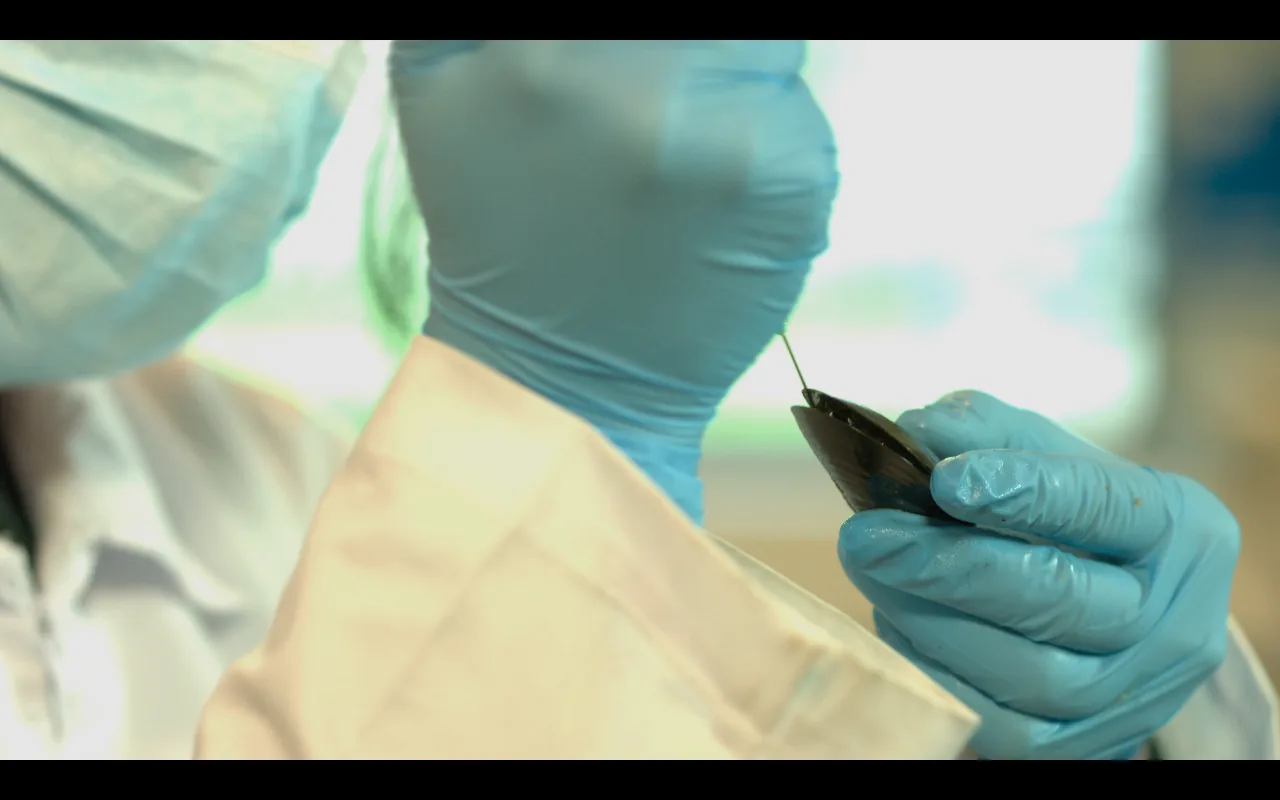
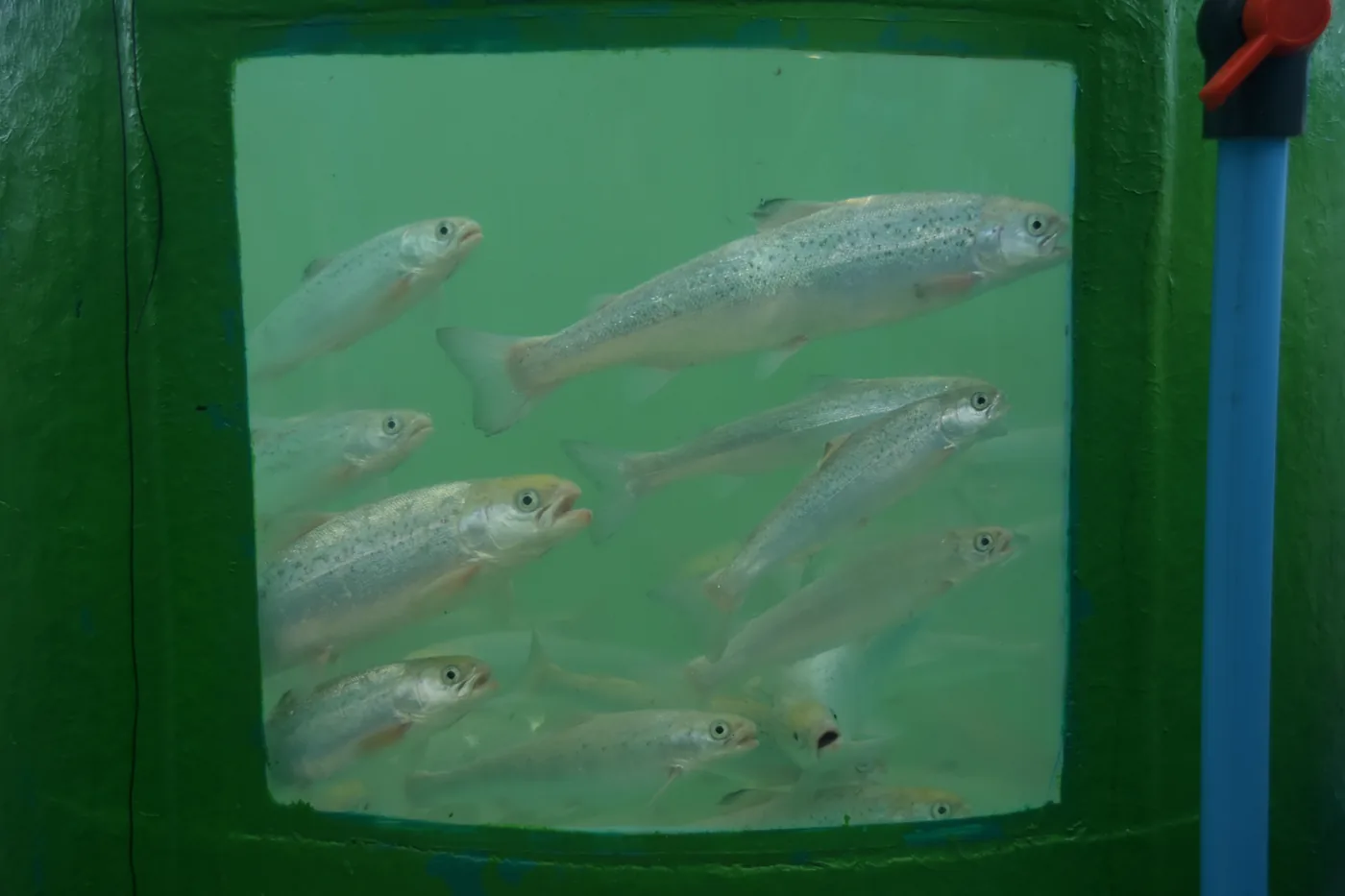
Its core contribution is the generation of applied knowledge and innovative solutions that enhance the health, welfare, and productivity of aquaculture species, while reducing environmental impacts and strengthening the sustainability of the sector. RL3 investigates how environmental factors, pathogens, and host-associated microbiota interact with the genome to modulate phenotype, disease resistance, and productive performance in key species such as Atlantic salmon, the Chilean mussel (Mytilus chilensis), and the sea louse (Caligus rogercresseyi). This integrative approach supports a transition from reactive management to a predictive and precision-based aquaculture framework.
RESEARCH LINE
Strategic Objectives
- 01
Induce and characterize early-life epigenetic changes driven by environmental factors to improve robustness and disease resistance.
- 02
Develop epigenetic and molecular markers applicable to fish health monitoring and selective breeding programs.
- 03
Identify immune and cellular biomarkers of salmon diseases using single-cell transcriptomics.
- 04
Detect and validate multi-omic markers of pharmacological resistance in sea lice populations.
- 05
Develop microbiome-based therapeutic and nutritional strategies, including pre-, pro-, and postbiotics.
- 06
Implement sanitary surveillance and diagnostic tools based on CRISPR-Cas systems.
TECHNOLOGY TRANSFER
Technological Applications and Sector Impact
RL3 delivers practical technological solutions for sustainable aquaculture, including:
- 01
Epigenetic reprogramming protocols during early developmental stages to enhance disease resilience.
- 02
Novel genetic and epigenetic markers to strengthen breeding and selection programs.
- 03
Advanced diagnostic biomarkers for key pathogens such as Piscirickettsia salmonis, supporting improved vaccine strategies.
- 04
Tools for early monitoring of resistance to anti-parasitic treatments, reducing drug use and environmental impact.
- 05
Functional diets based on microbiota-derived ingredients to improve fish health and productivity.
- 06
Rapid, sensitive, and cost-effective diagnostic methods for aquaculture pathogens using CRISPR-Cas technology.
OUTLOOK
A more sustainable, innovative and competitive aquaculture
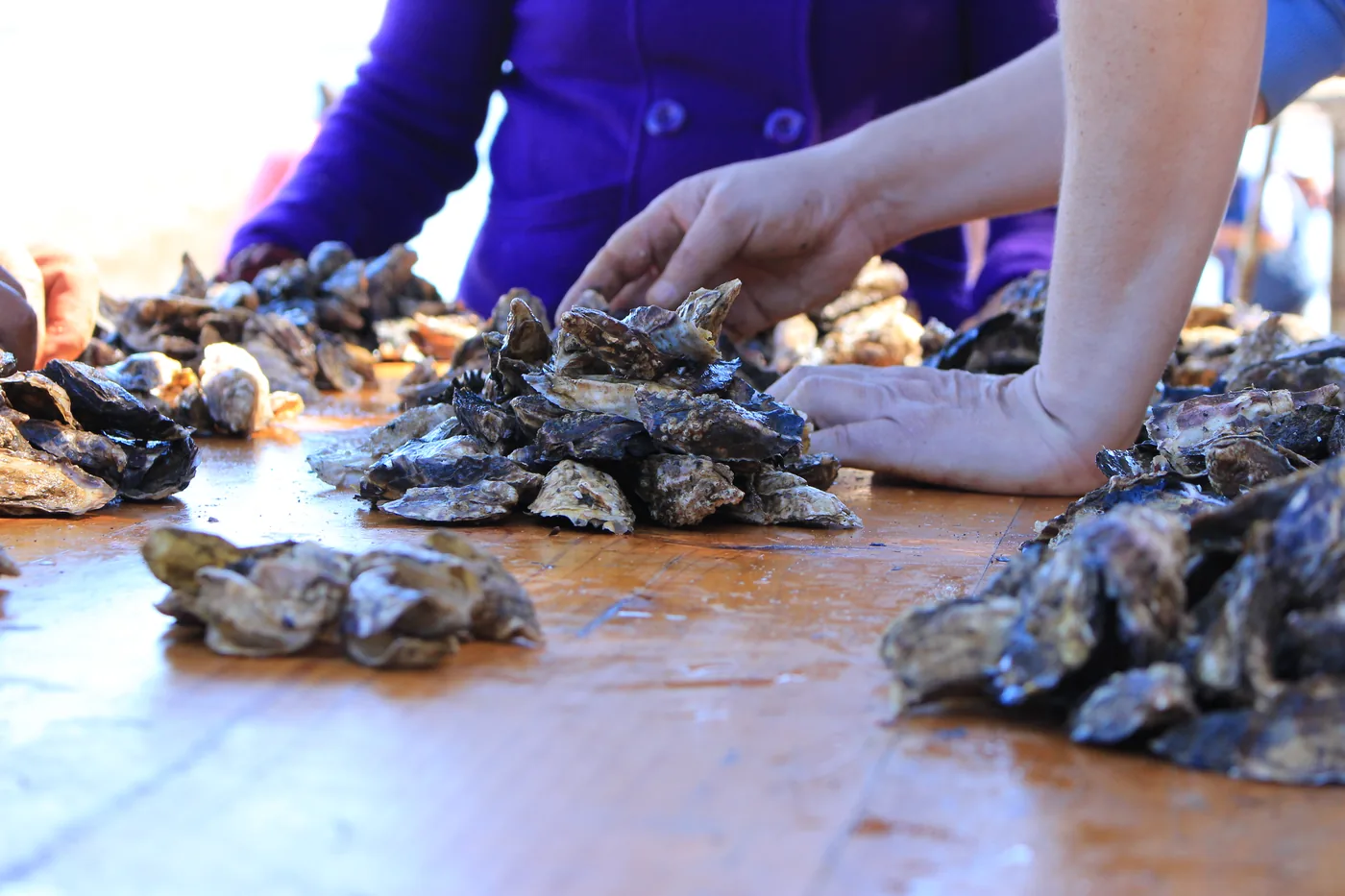
Through strong integration of basic and applied research, RL3 of the INCAR² Center contributes to the development of a more sustainable, innovative, and competitive Chilean aquaculture, aligned with climate change challenges, biosecurity needs, and responsible seafood production.