
SUSTAINABLE INTERACTIONS
Sustainable Interactions between Aquaculture, Fisheries, and Ecosystems
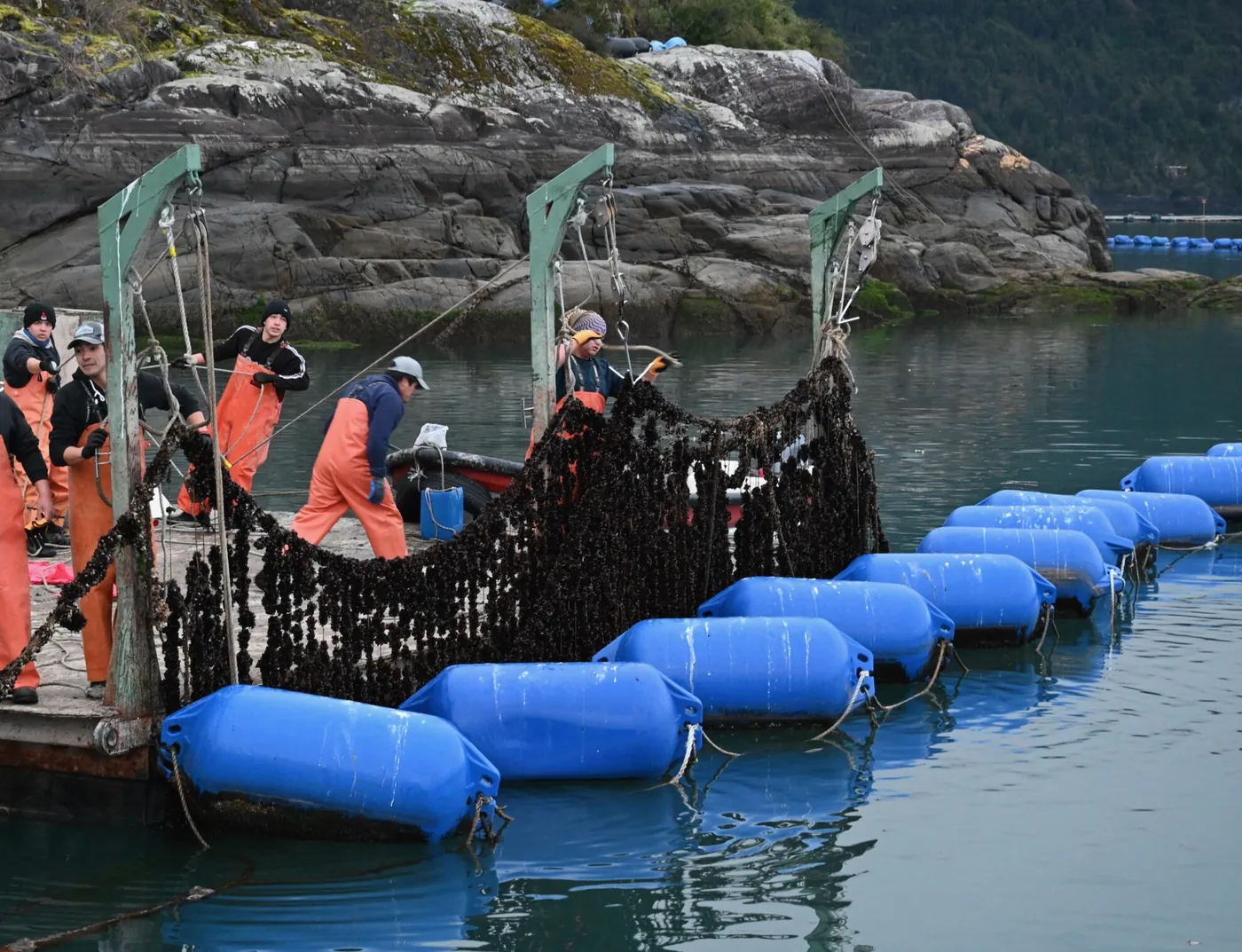
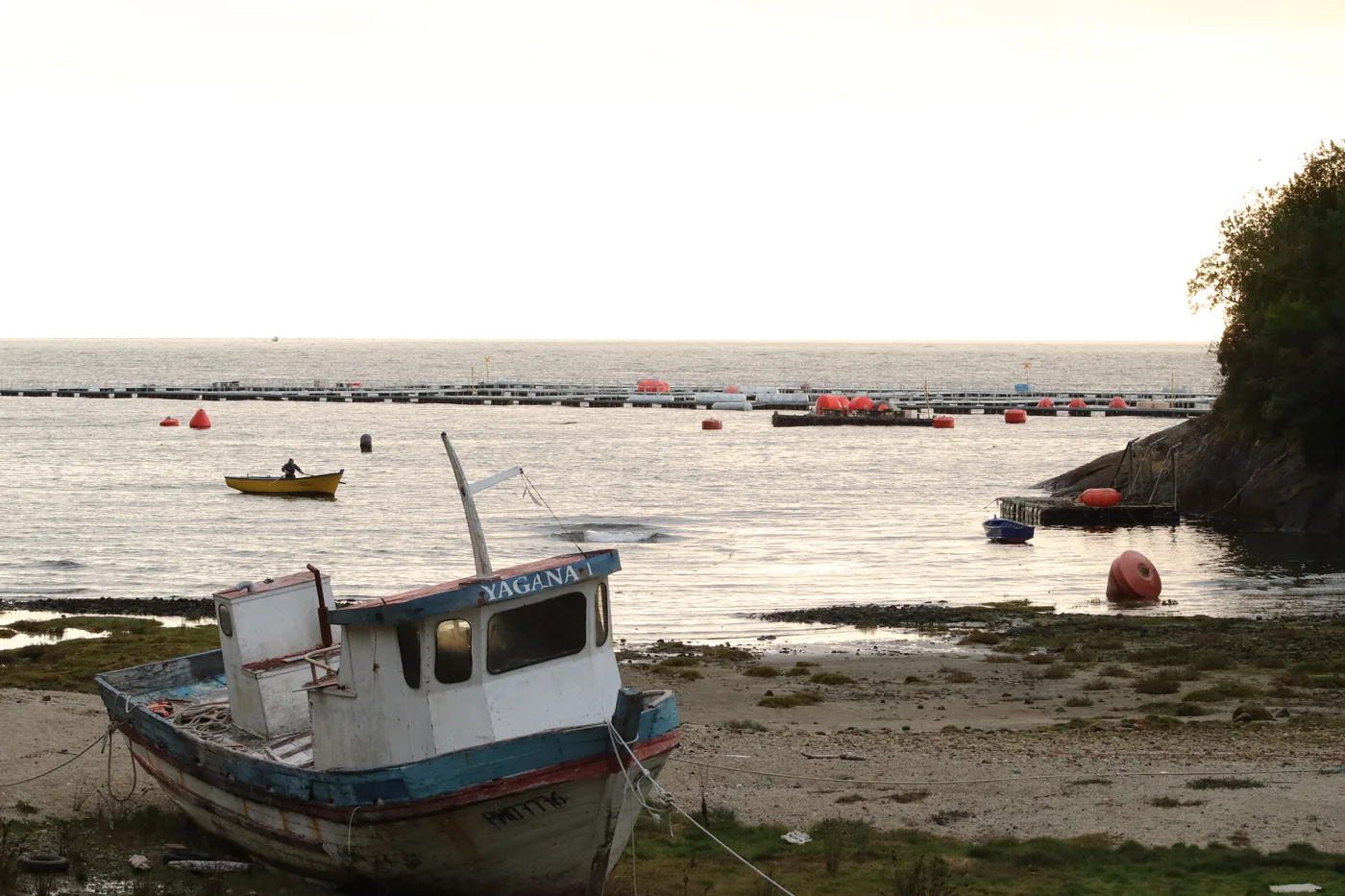
Research Line 7 (RL7) focuses on strengthening the integration of aquaculture with artisanal fisheries and coastal ecosystems, promoting sustainable livelihoods and resource recovery.
TEAM
Team members
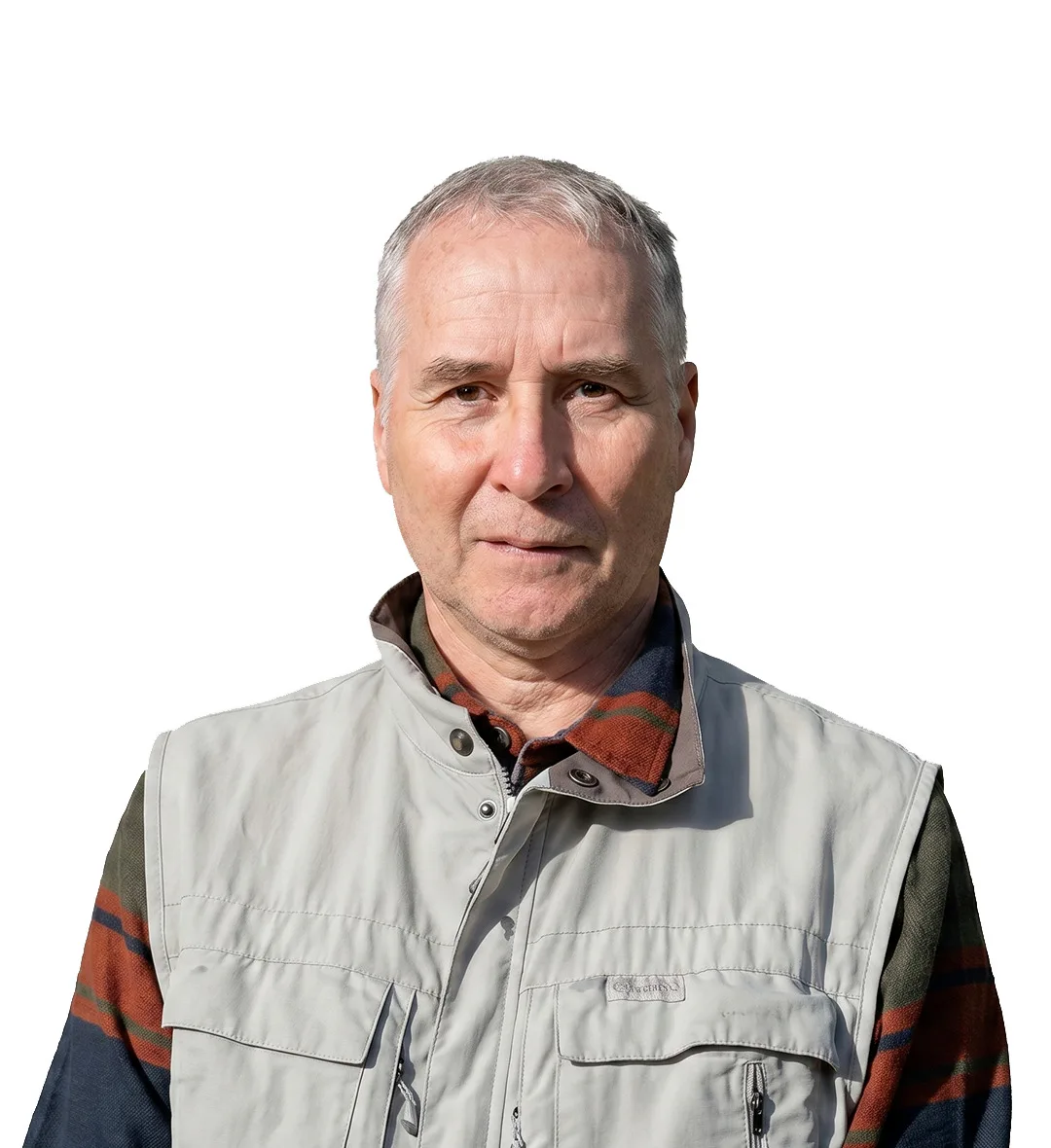
Dr. Carlos Molinet Flores
Principal InvestigatorView profile →
Dra. Marcela Astorga
Adjunct ResearcherView profile →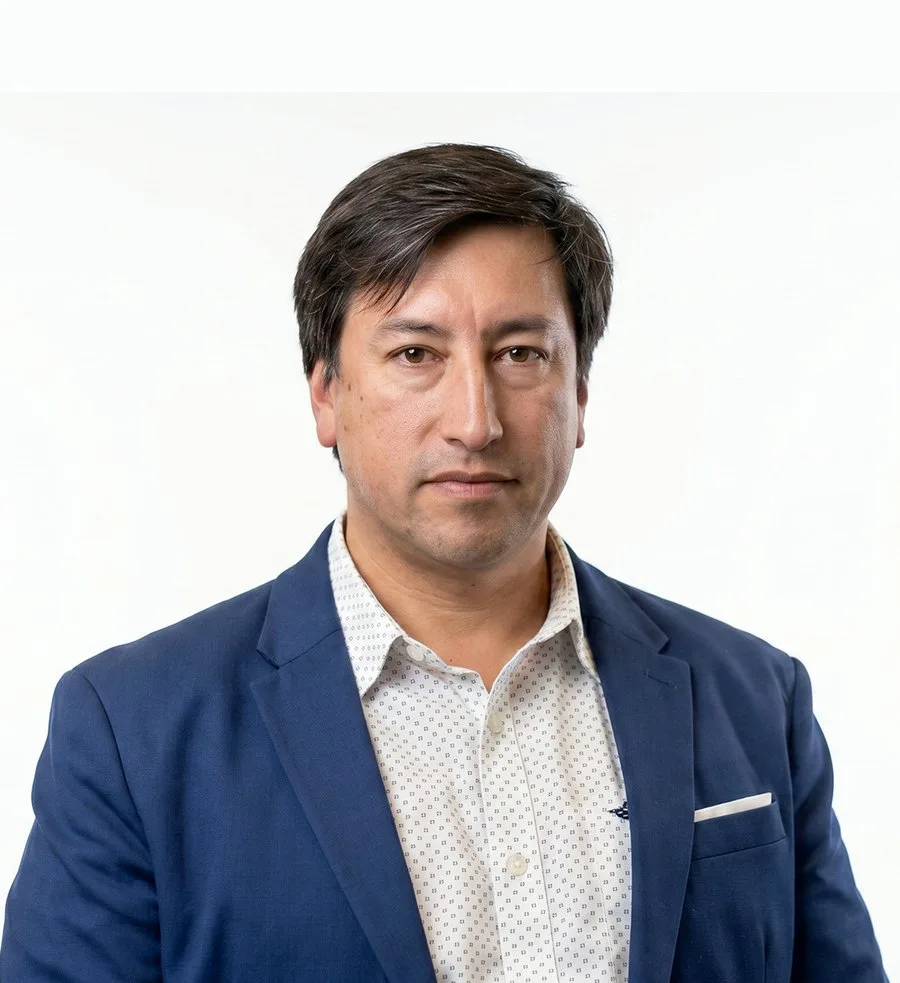
Dr. Patricio A. Díaz
Adjunct ResearcherView profile →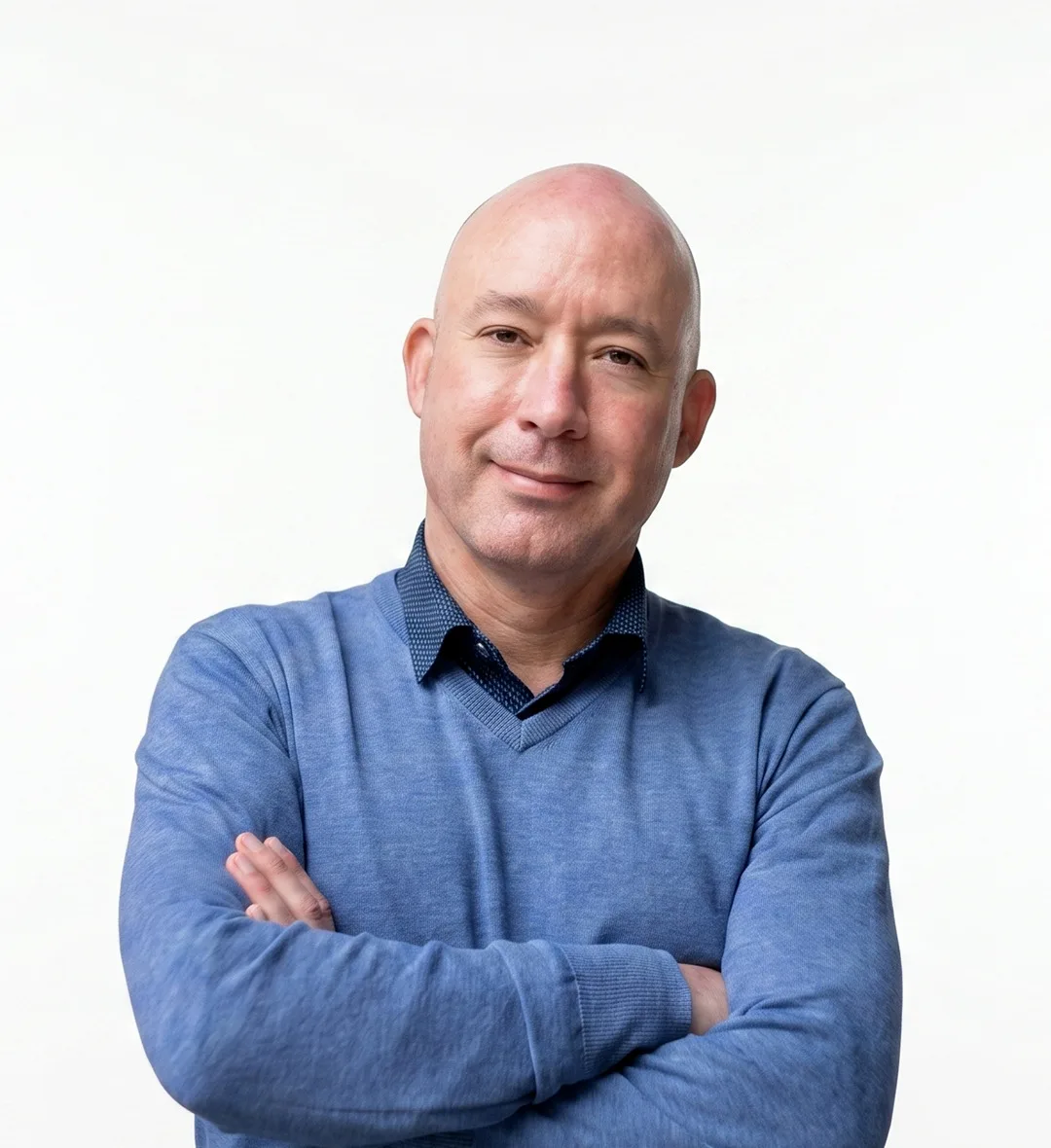
Dr. Juan Manuel Estrada Arias
Adjunct ResearcherView profile →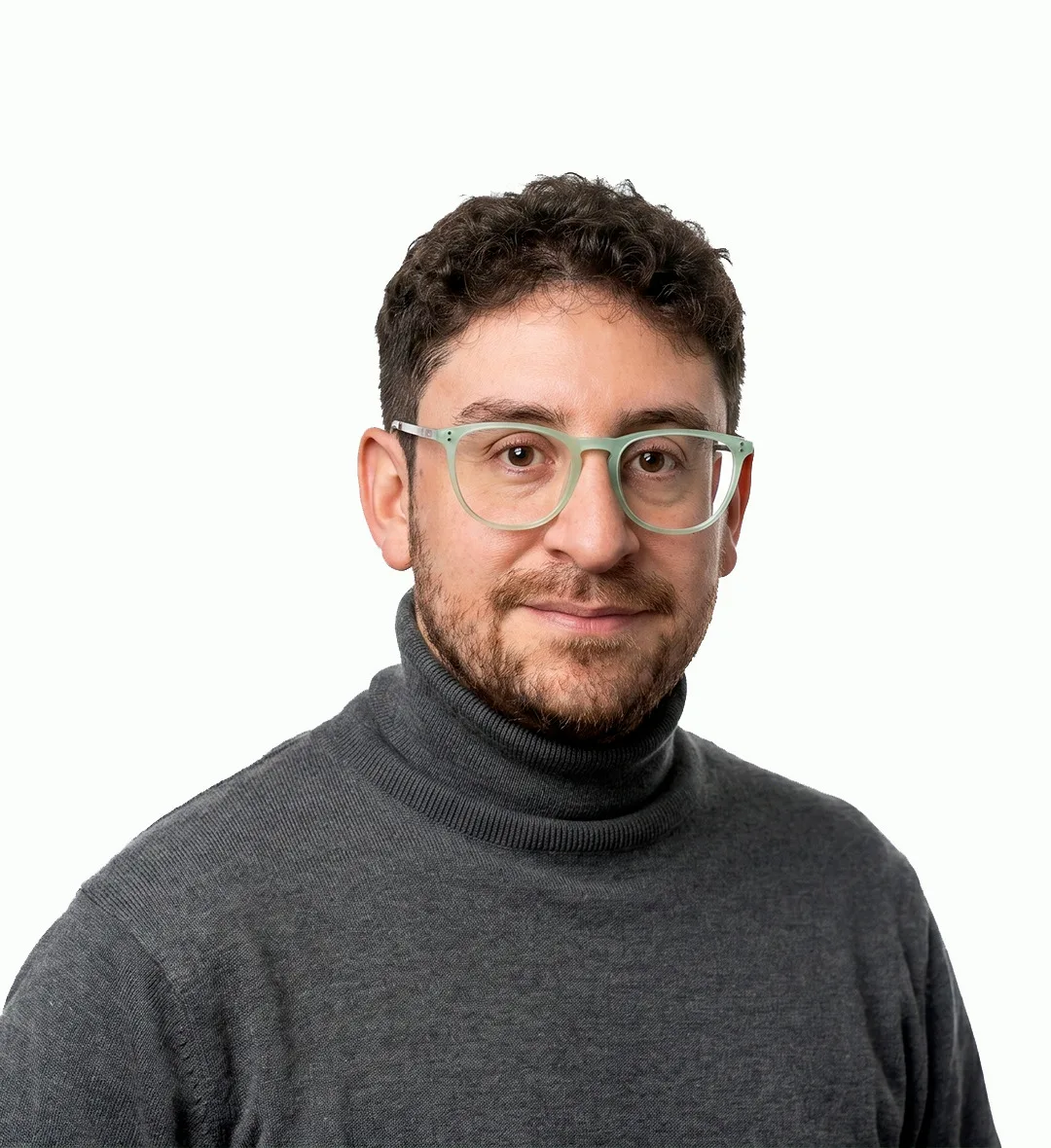
Dr. Pedro Murúa
Adjunct ResearcherView profile →
Manuel Díaz Gómez
Assistant ResearcherView profile →
Katherine Espinoza Cea
Assistant ResearcherView profile →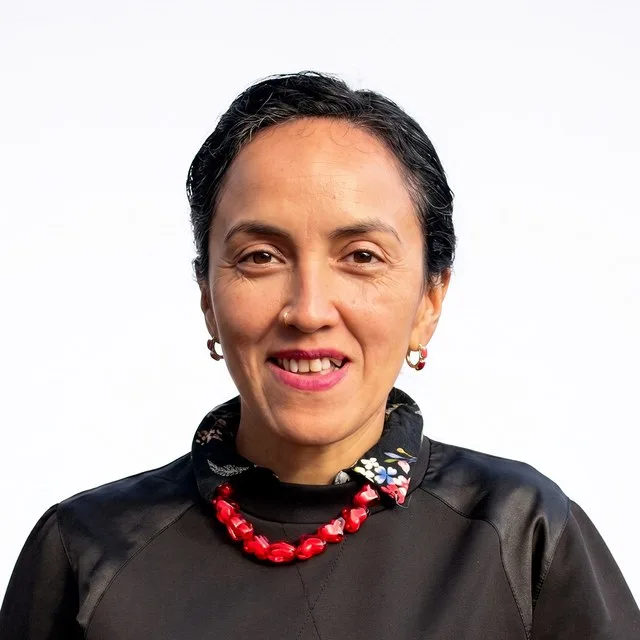
Thamara Matamala Asencio
Research AssistantView profile →
FOCUS
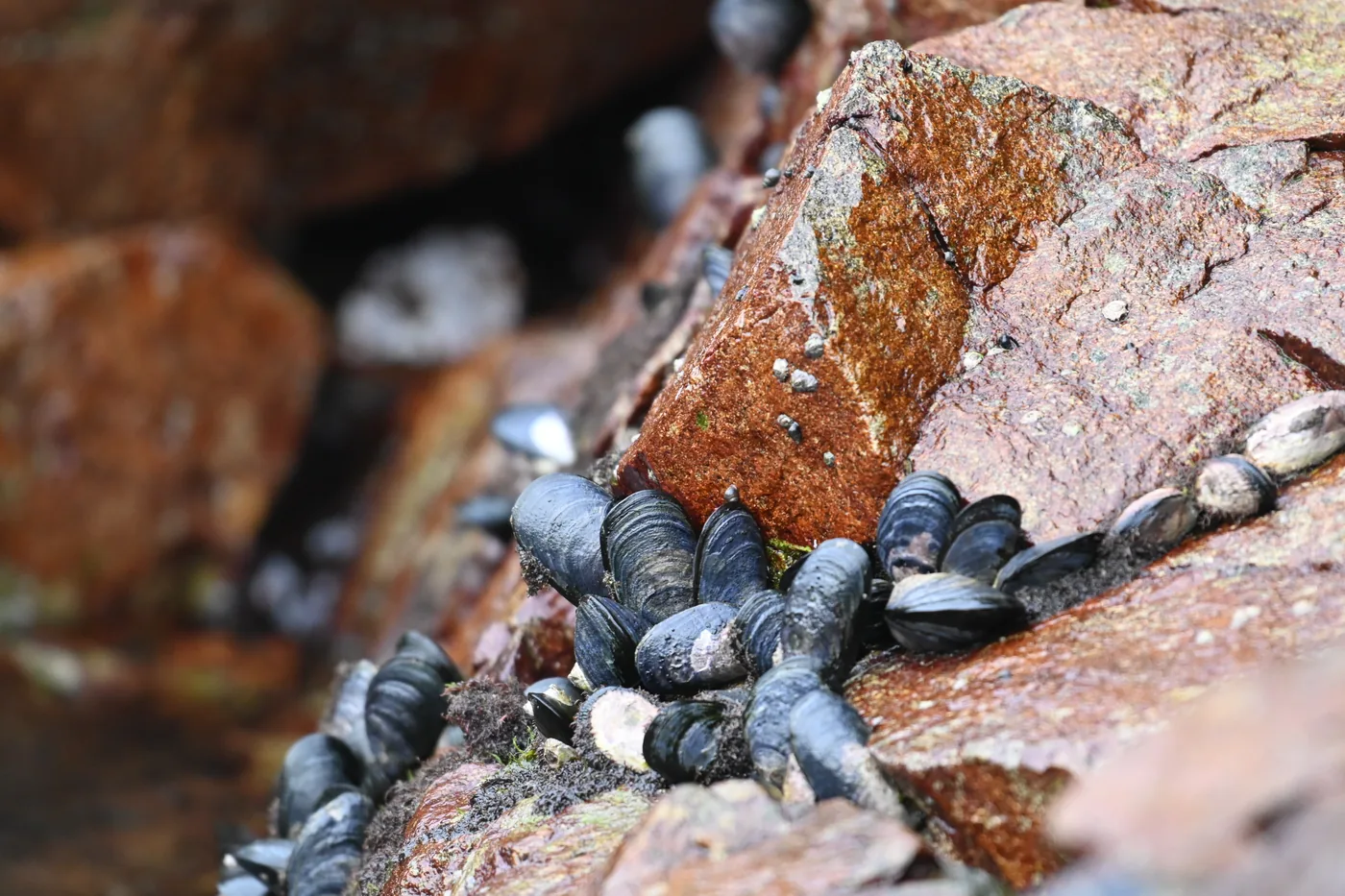
In Chile, where many coastal communities depend on benthic fisheries managed through TURFs (MEABRs), declining fish stocks have created an urgent need for diversification through small-scale aquaculture (SSA). RL7 highlights the potential of SSA—particularly mussel and seaweed farming—as a low-cost, accessible alternative that balances environmental sustainability, economic development, and social equity. At the same time, it addresses key challenges such as stock depletion, harmful algal blooms (HABs), emerging diseases, and limited seed availability for benthic species.
RESEARCH LINE
Objectives
- 01
Develop and transfer nature-based solutions for restocking and restoring commercially important benthic species.
- 02
Generate epidemiological and environmental baseline data to support predictive models in aquaculture systems (e.g., Gracilaria farming).
- 03
Assess impacts of marine biotoxins on early life stages of cultured species.
- 04
Establish a monitoring system for aquatic genetic resources (AGR) under environmental change.
- 05
Optimize and scale up seed production technologies for Red Sea urchin.
- 06
Conduct bioeconomic assessments to evaluate large-scale production feasibility.
TECHNOLOGY TRANSFER
Technological Contributions and Applications
RL7 delivers applied solutions for sustainable aquaculture and fisheries management, including:
- 01
Restorative aquaculture and restocking protocols (REGA, CBA/CBF) to recover overexploited resources.
- 02
Monitoring systems for HABs, biotoxins, and genetic diversity, supporting early warning and adaptive management.
- 03
Predictive models and diagnostic tools for disease outbreaks in seaweed farming.
- 04
Innovative seed production technologies, including scaling up sea urchin cultivation and improving survival and growth through optimized systems.
- 05
Metabarcoding and genomic tools to understand ecosystem dynamics and species adaptation.
- 06
Bioeconomic models to guide investment and decision-making in small-scale aquaculture.
OUTLOOK
A more resilient and equitable coastal economy
RL7 contributes to the transition toward a more resilient and equitable coastal economy by linking aquaculture with fisheries management and ecosystem restoration. Its innovations support artisanal communities, enhance biodiversity recovery, and enable sustainable, climate-adaptive aquaculture practices.