STRESS & WELFARE
Stress and Animal Welfare
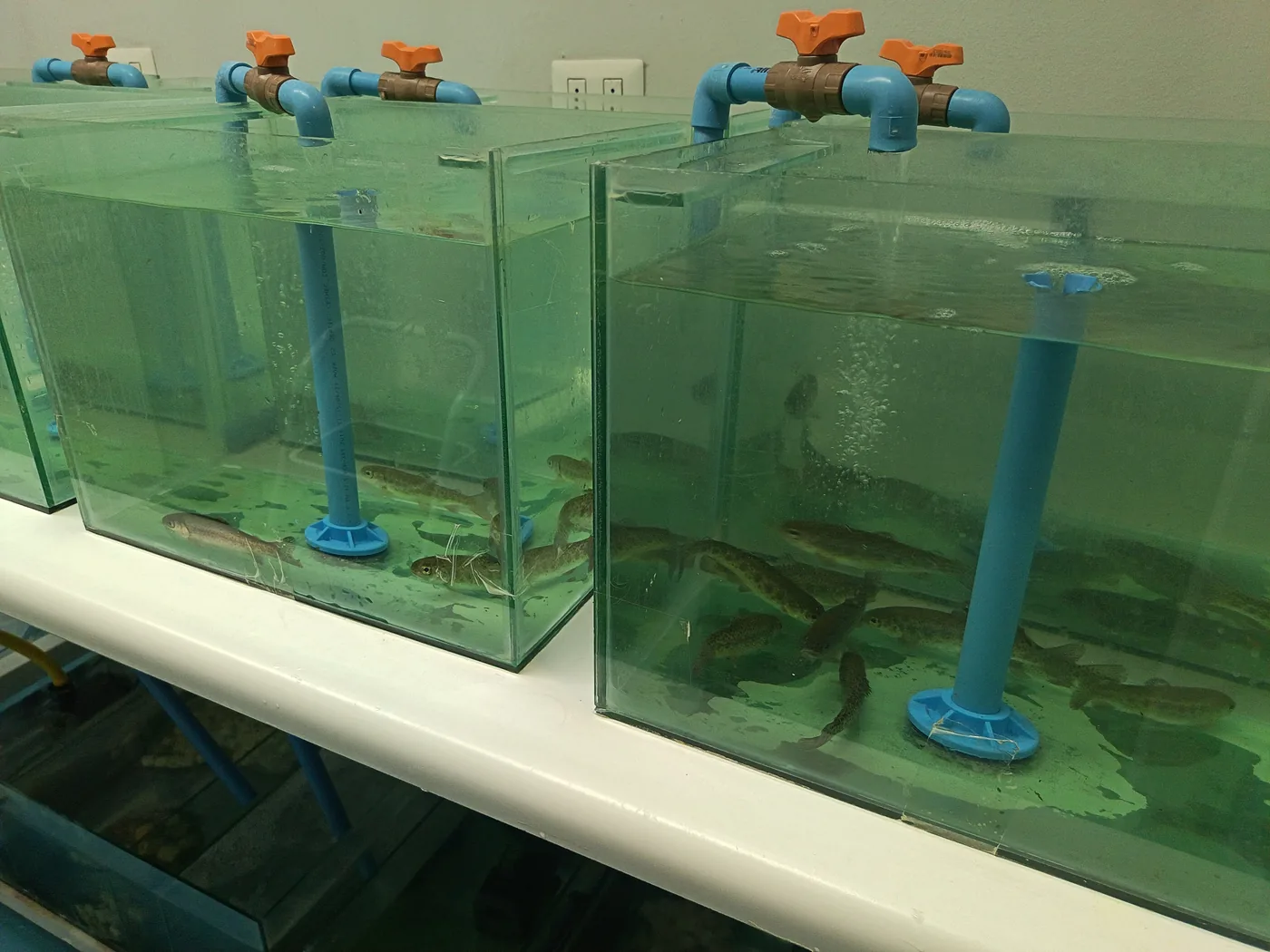
Research Line 4 (RL4) of the INCAR² Center focuses on understanding how productive and environmental stressors inherent to intensive aquaculture affect fish physiology, welfare, and adaptive capacity, particularly in salmonids.
TEAM
Team members

Dr. Juan Antonio Valdés
Principal InvestigatorView profile →Dr. José Luis Galaz Rodríguez
Postdoctoral ResearcherView profile →
Dr. Rodrigo Zuloaga
Postdoctoral ResearcherView profile →
Daniela Aravena-Canales
PhD StudentView profile →
Katalina Llanos-Azócar
PhD StudentView profile →
Camila Godoy Díaz
Lab ManagerView profile →

FOCUS
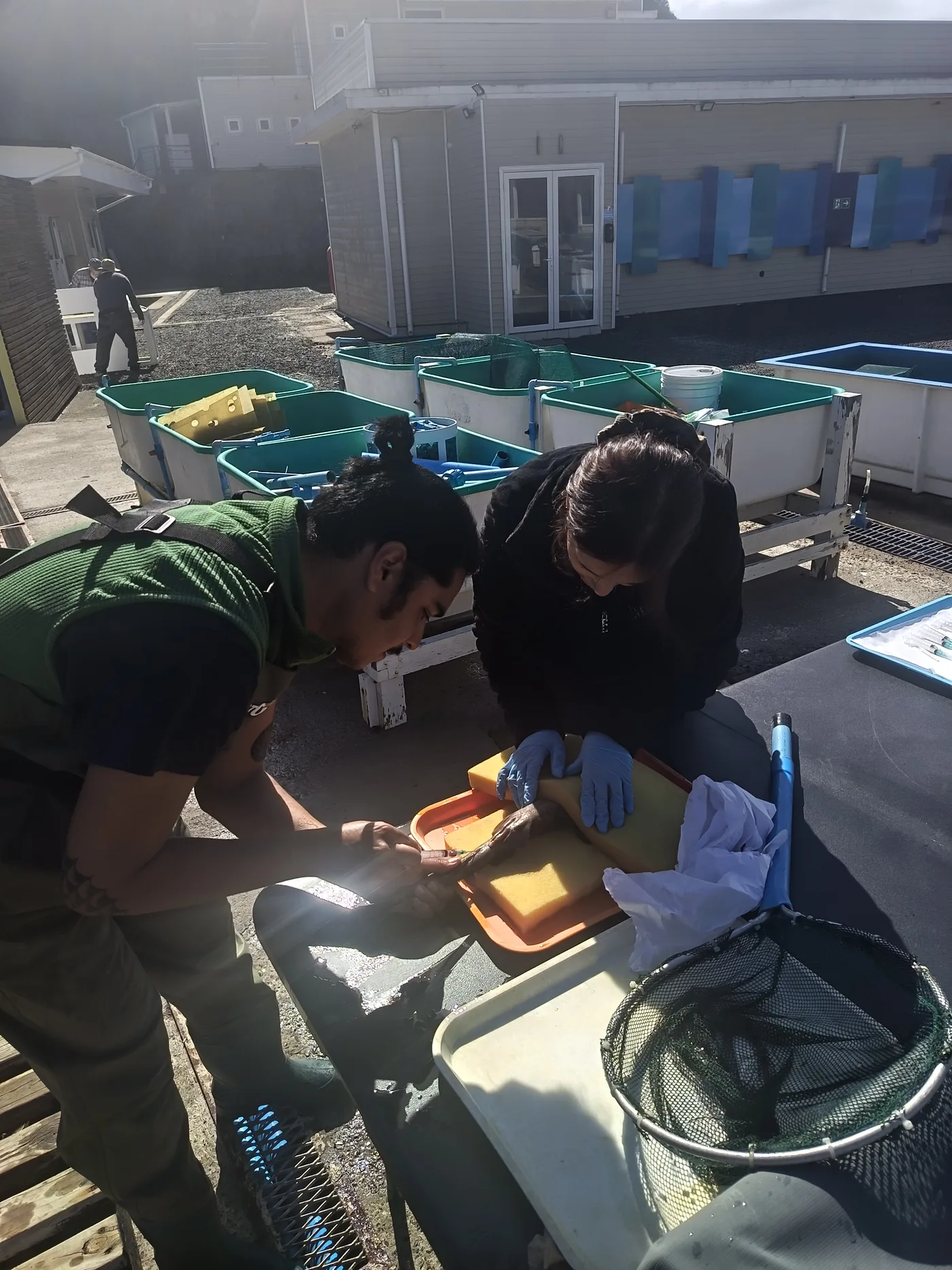
Its main contribution is the generation of scientific knowledge and technological tools that support improved animal welfare, enhanced resilience to diseases, and optimized productive performance within a sustainable and ethical aquaculture framework. RL4 addresses the effects of multiple simultaneous stressors—such as temperature, oxygen availability, and stocking density—during early developmental stages, integrating physiological, transcriptomic, epigenetic, and microbiome-based approaches. This comprehensive perspective advances understanding of how farming conditions influence key biological processes, including growth, immune responses, metabolism, and long-term adaptive potential.
RESEARCH LINE
Strategic Objectives
- 01
Characterize physiological and molecular responses induced by single and multiple stressors in teleost fish.
- 02
Evaluate the effects of environmental and epigenetic manipulation on adaptive capacity under productive challenges.
- 03
Develop and validate animal welfare indicators, including non-invasive (behavior, body size, environmental conditions) and invasive (physiological and molecular markers) metrics.
- 04
Identify welfare-related parameters associated with disease control treatments, ensuring treatment efficacy without compromising fish health.
- 05
Analyze responses to key pathogens, such as Infectious Pancreatic Necrosis Virus (IPNV), and to critical processes such as seawater transfer.
TECHNOLOGY TRANSFER
Technological Applications and Contribution to Sustainable Aquaculture
The outcomes of RL4 will enable the development of practical solutions for Chilean aquaculture, including:
- 01
Non-invasive methods for monitoring welfare and stress in production systems.
- 02
Epigenetic reprogramming protocols to enhance fish responses to diseases and productive stressors.
- 03
Tools to predict future performance, including growth, immune competence, and metabolic adaptation.
- 04
Welfare protocols during sanitary treatments, supporting responsible and efficient fish health management.
- 05
Transfer of standardized welfare indicators to inform decision-making in both public and private sectors.
OUTLOOK
An aquaculture model that integrates productivity, animal welfare and sustainability
In this way, RL4 of the INCAR² Center contributes to the advancement of an aquaculture model that integrates productivity, animal welfare, and sustainability, aligned with scientific, regulatory, and societal expectations for responsible aquatic food production.