

NEW VACCINES
New vaccines for fish
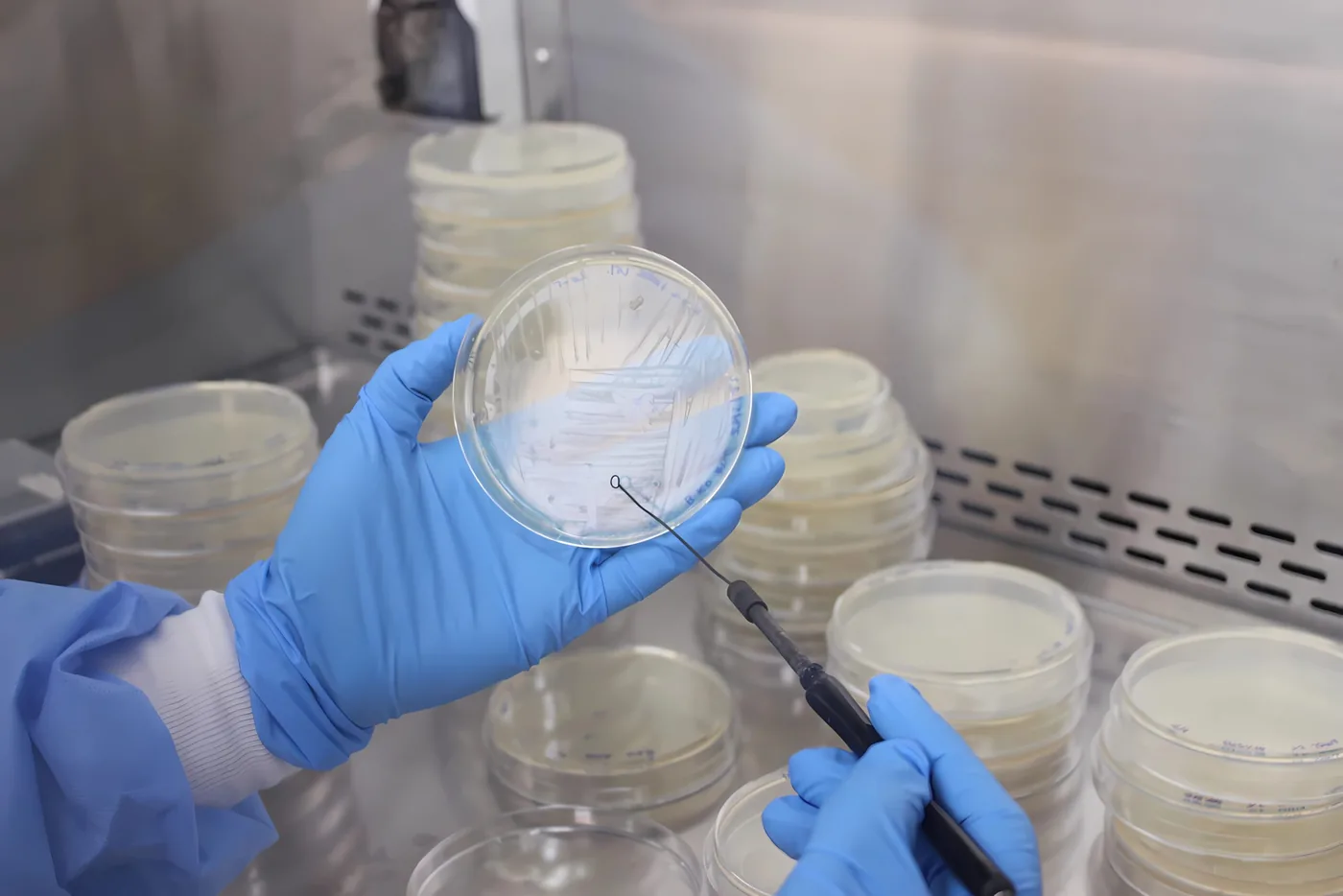
Research Line 1 (RL1) of the INCAR² Center focuses on the development of innovative fish vaccines, as a key tool to advance toward more sustainable, efficient and resilient aquaculture.
TEAM
Team members

Dra. Valentina Valenzuela Muñoz
Principal InvestigatorView profile →
Dra. Myleidi Vera Otero
Young ResearcherView profile →
Dr. Antonio Casuso Cabrera
Postdoctoral ResearcherView profile →
Dra. Yeny Leal Acosta
Postdoctoral ResearcherView profile →
Adrián Rodríguez Gabilondo
PhD Student in Sciences with a specialization in Renewable Aquatic Resources ManagementView profile →
Marcelo Muñoz Troncoso
Research AssistantView profile →
FOCUS
Its main contribution lies in integrating frontier biotechnologies to improve disease prevention, reduce antibiotic use and strengthen animal health and welfare in Chilean aquaculture, especially in salmon farming. RL1 responds to critical sector challenges, such as the insufficient protection of current vaccines, the high burden of bacterial and parasitic diseases —notably Piscirickettsia salmonis and the sea louse Caligus rogercresseyi— and the need for more effective and environmentally responsible technological solutions.
RESEARCH LINE
Main Objectives
- 01
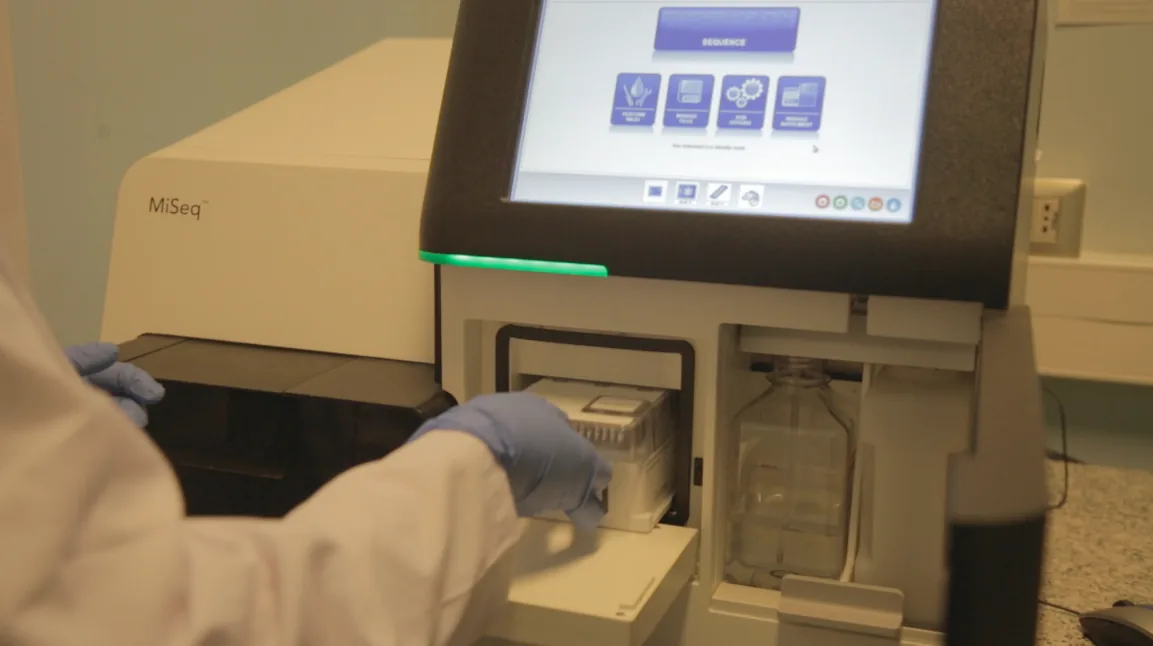
Develop next-generation vaccines based on recombinant proteins and mRNA for relevant aquaculture pathogens.
- 02
Implement oral vaccines using Bacillus spore surface antigen display technology (BSSD), reducing the stress associated with vaccination.
- 03
Explore immunostimulation strategies through Dodecin-based technologies.
- 04
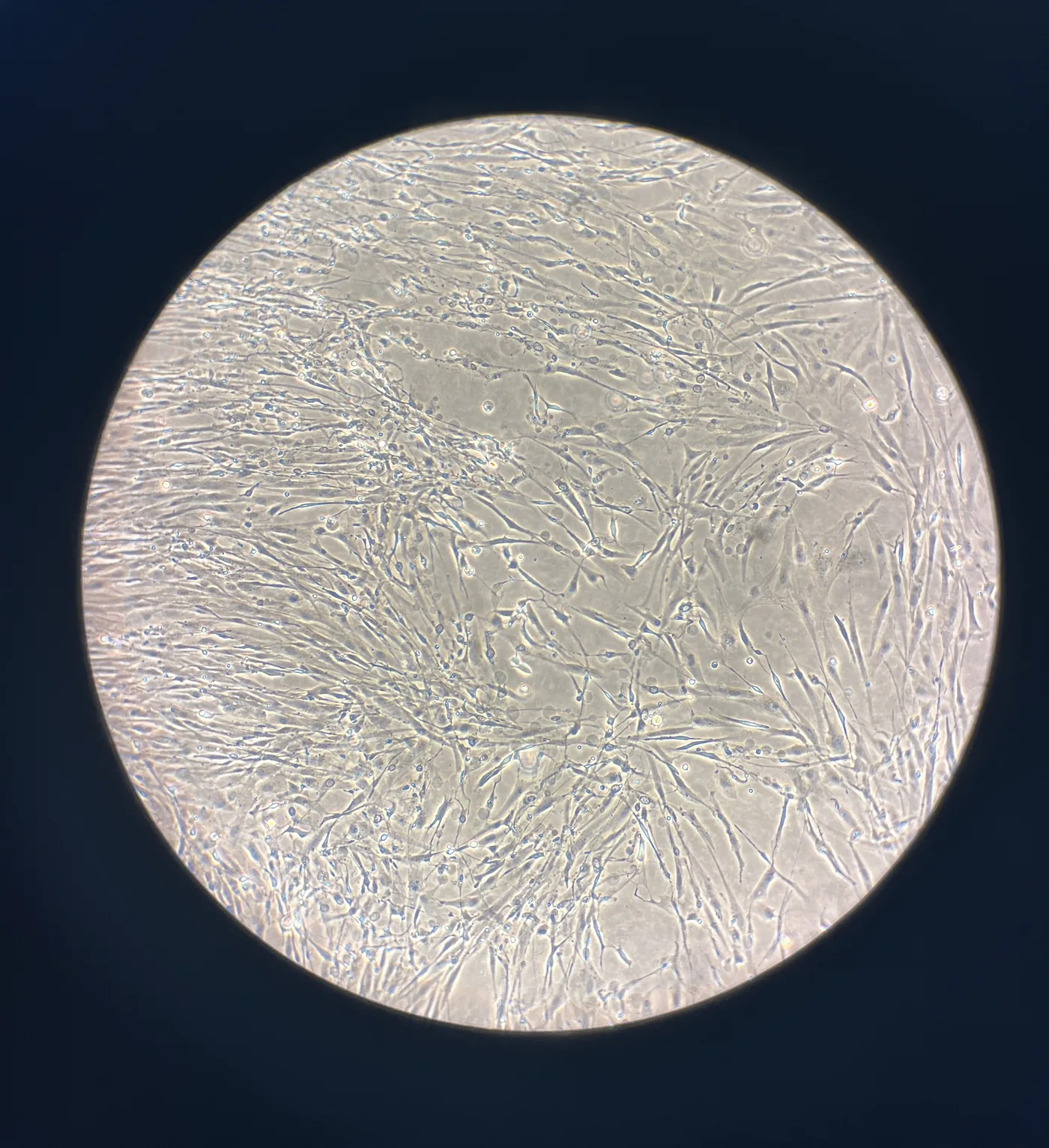
Evaluate vaccine effectiveness through laboratory challenge tests, including an innovative cohabitation–coinfection model that simulates real farming conditions.
- 05
Analyze the economic impact of the developed vaccines for the national and international aquaculture industry.
TECHNOLOGY TRANSFER
Technological applications and projection
RL1 has a strong emphasis on technology transfer, with the potential to generate patents, vaccine prototypes and specialized efficacy evaluation services. Its projections include:
- 01
New vaccines against the main pathogens affecting Chilean salmon farming.
- 02
Scalable technological platforms for the industry, with expected advances in technology readiness levels (TRL 6–8).
- 03
Immunological monitoring tools based on biomarkers, applicable to both experimental and commercial vaccines.
NEW VACCINES
A benchmark in aquaculture vaccinology
With its interdisciplinary approach and international collaborations, RL1 positions the INCAR² Center as a benchmark in aquaculture vaccinology, contributing directly to the sanitary, environmental and economic sustainability of the aquaculture sector.