Scientific-technological program
Initiatives
Initiative · 01
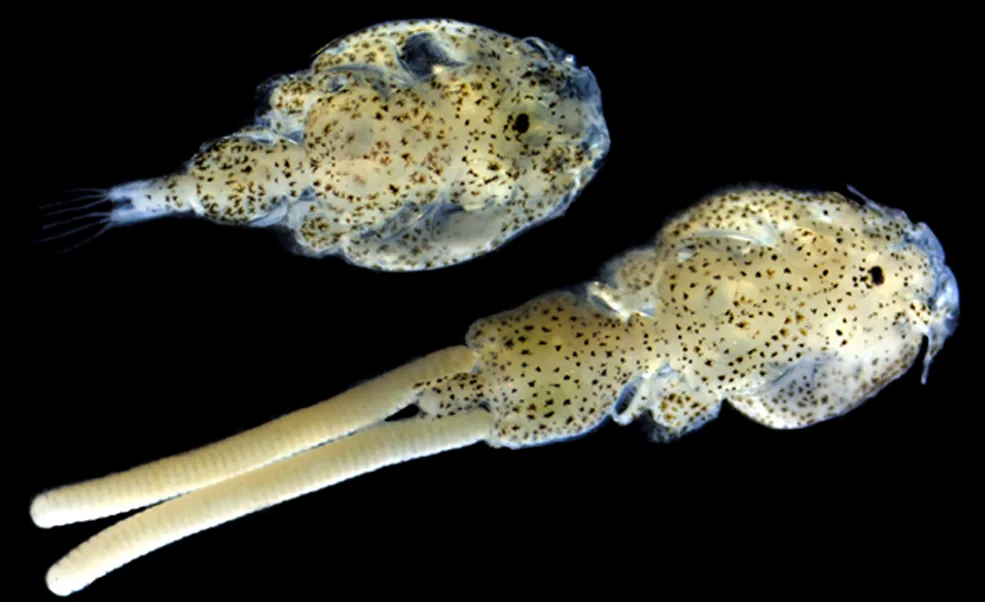
Initiative Caligus
The research developed by the Interdisciplinary Center for Aquaculture Research (INCAR) in Caligus Rogercresseyi has advanced significantly in the comprehensive understanding of this ectoparasite through a multi-omic and translational approach. From the sequencing of its genome and transcriptomic analysis at different stages of the life cycle, key genes associated with processes such as infestation, reproduction and adaptation to the host have been identified. These studies have made it possible to elucidate molecular mechanisms of resistance to antiparasitics, including structural variations such as CNVs and SNPs in genes related to the cuticle and oxidative stress, which explains multi-resistance phenomena observed in the field. At the same time, INCAR has integrated this information with microbiome studies, life cycle biology and epidemiology, generating a robust basis for the development of applied tools such as diagnostic biomarkers, recombinant vaccines and new therapeutic strategies, including nanoformulations. Together, this approach has driven a paradigm shift towards a more precise and sustainable control of calligidosis in salmon farming, based on molecular knowledge and validation in real productive conditions.
Initiative · 02
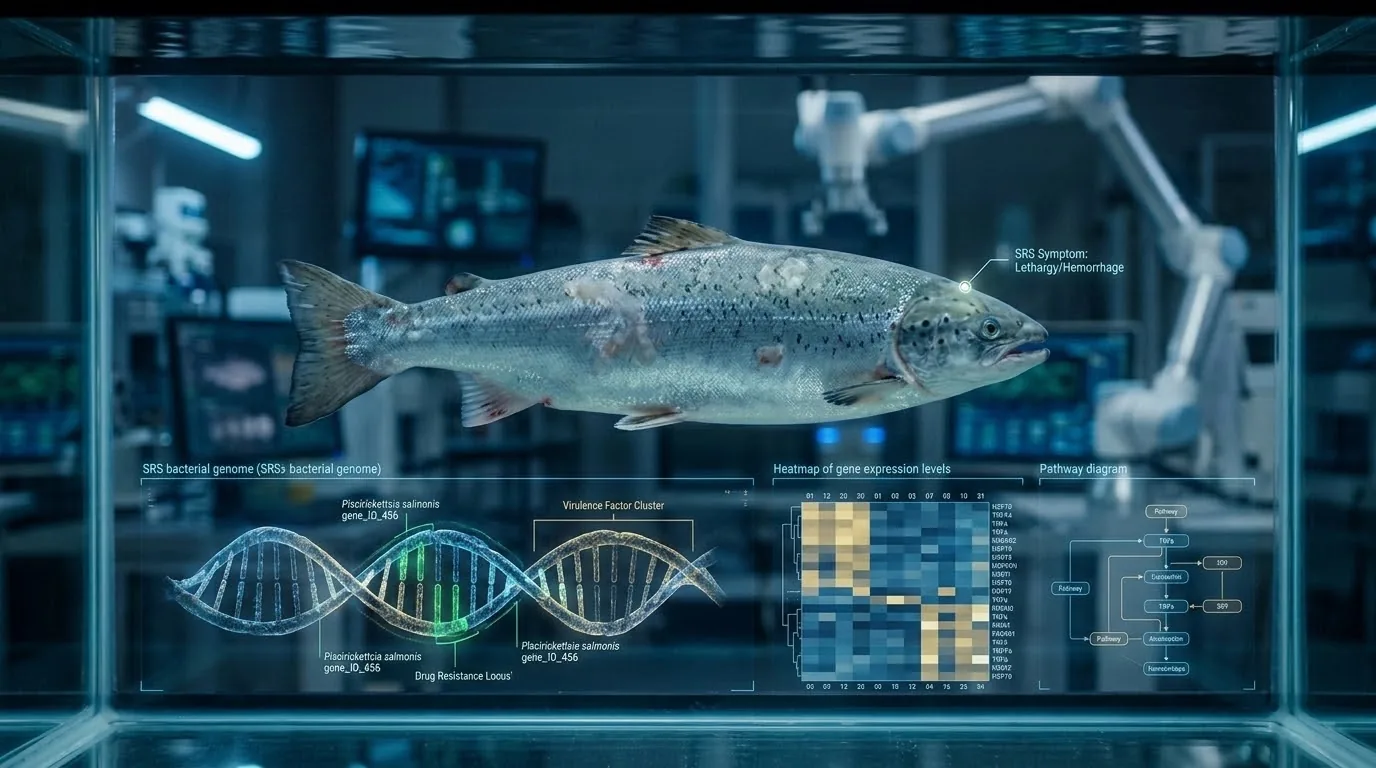
Initiative SRS and Tenacibaculum
The INCAR² Center will direct an important part of its scientific-technological program toward addressing two of the main health challenges in salmon farming: Salmonid Rickettsial Septicemia (SRS) and Tenacibaculosis, referred to as the SRS and Tenacibaculosis Initiative. In this context, it will focus its efforts on developing comprehensive solutions that enable progress toward more effective and sustainable control of these diseases, while also contributing to a better definition of health management strategies.
Among its main lines of action is the generation of technological innovations aimed at new, more effective vaccines, as well as the search for alternatives to the use of antimicrobials, such as functional feeds, therapies based on plant-derived compounds, and the use of phages. Likewise, the center will promote the development of rapid, low-cost diagnostic kits that facilitate timely detection and immediate response at the cage level, thereby strengthening control capacity under real production conditions.
Initiative · 03
Restorative Aquaculture
Information available after the first week of July.