
ABOUT US
A bit of our history
Chilean aquaculture has evolved into a highly competitive, modern, and export-oriented industry, becoming a cornerstone of the national economy. In 2022, Chile ranked 10th in global aquaculture production and was the fifth-largest exporter of aquatic animal products, generating USD 8.5 billion. This success has been primarily driven by salmon and mussel farming, which accounts for approximately 99% of the annual harvest. This high level of specialization has positioned Chile as the world’s second-largest producer of salmon and mussels, behind Norway and China.
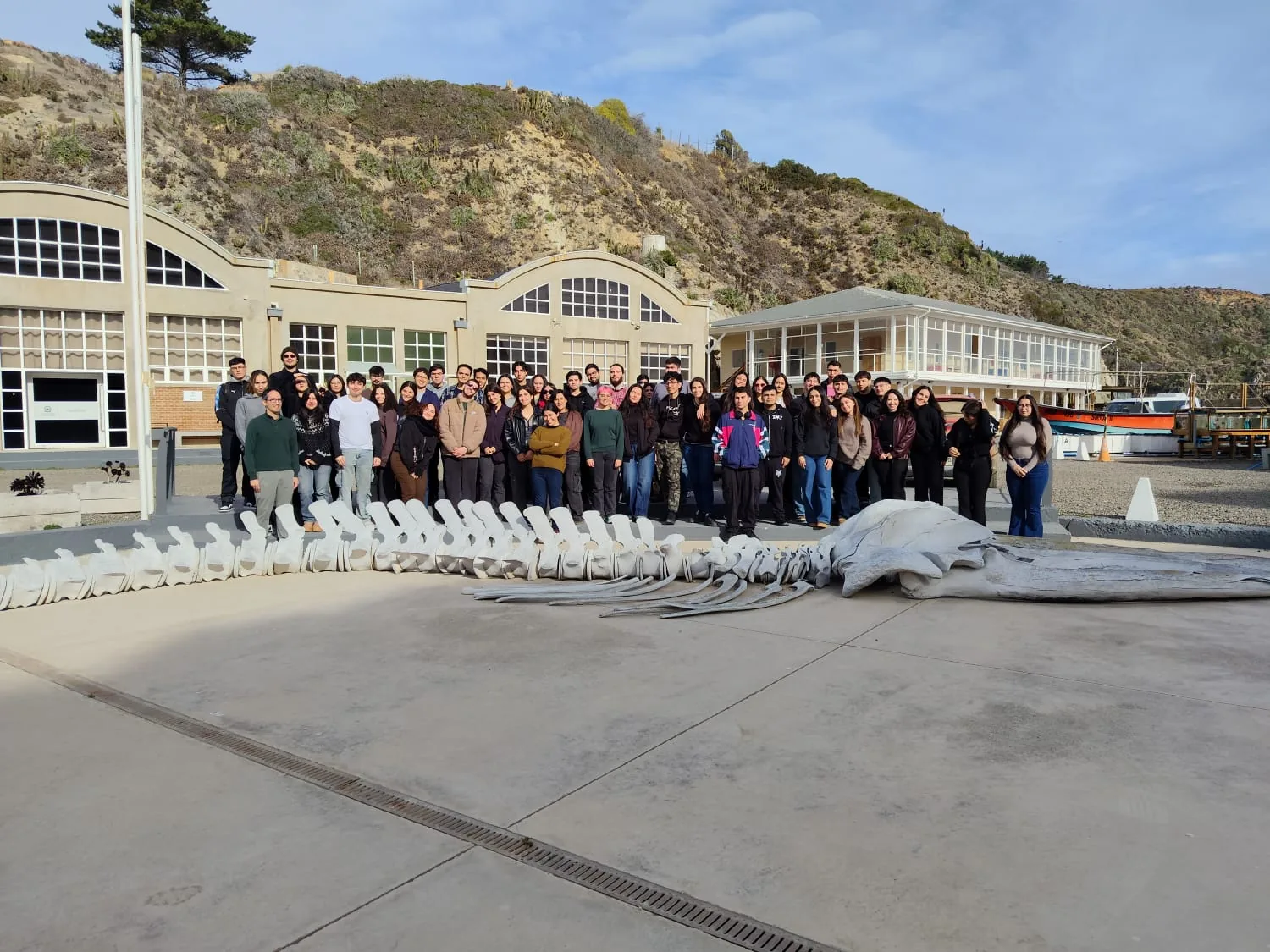
Despite these remarkable achievements, the growth rate of Chilean aquaculture has slowed
And the sector is currently nearing stagnation due to a range of interconnected challenges. Recognizing the importance of aquaculture for the country’s development, CONICYT (now ANID) identified aquaculture as a strategic area in 2011 to strengthen scientific knowledge and promote sustainability, launching a competitive call to establish a center of excellence funded by the Fund for Research Centers in Priority Areas (FONDAP).
In this context, INCAR was established in 2012 as Chile’s first Interdisciplinary Center for Aquaculture Research.
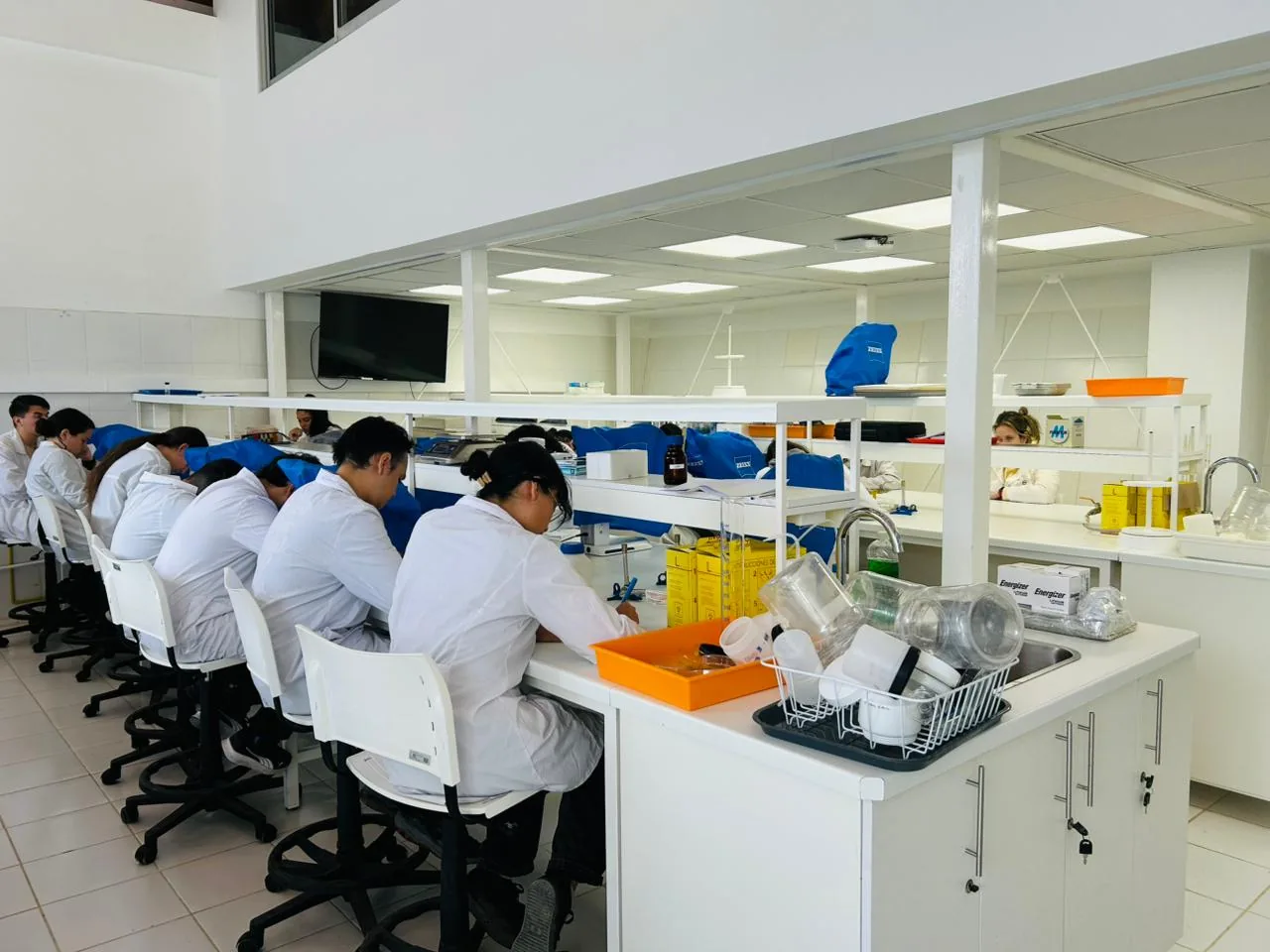
For more than a decade, INCAR has gained national and international recognition for generating robust scientific knowledge and translating it into practical recommendations for both the public and private sectors.
After 13 years of generating high-quality knowledge and human capital, FONDAP INCAR transitions into the Interdisciplinary Center for Aquaculture Research – Applied Research, CIA INCAR². This new phase will focus on generating knowledge and developing technologies that balance the competitiveness of the aquaculture sector with social well-being and environmental sustainability in Chile.
INCAR² will drive the development of technologies, processes and knowledge that contribute to a more sustainable and competitive aquaculture sector, while also promoting the identification and use of opportunities for productive diversification. Its results will be transferred to the public and private sectors to strengthen the competitiveness of the Chilean economy and contribute to the well-being of society.
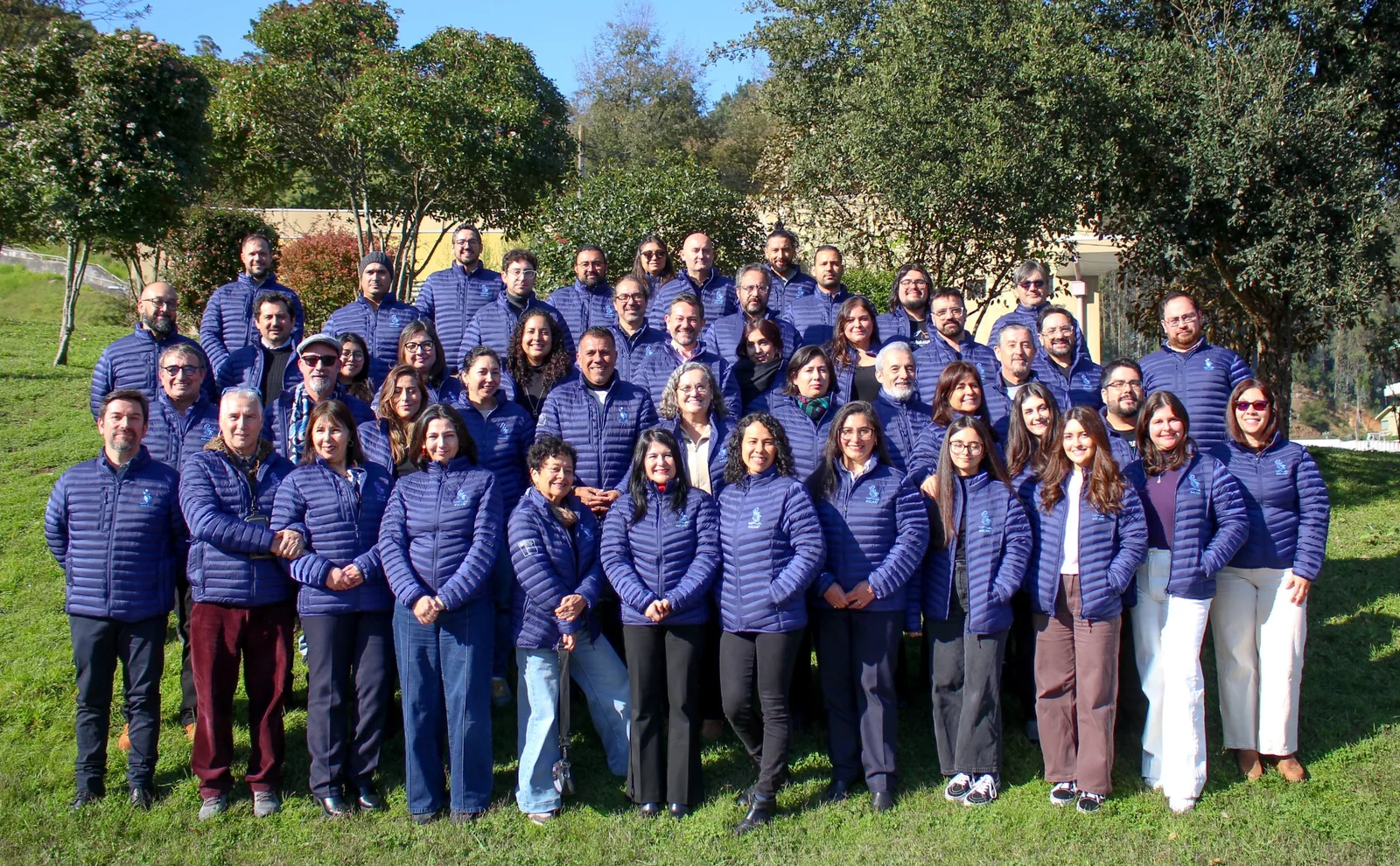
Nearly 90 people and 8 research lines
Our center is made up of nearly 90 people, including researchers, professionals, technicians, and undergraduate and graduate students. INCAR² is structured around eight research lines and develops advanced scientific and technological solutions to address the main challenges of Chilean aquaculture. Its work includes the development of vaccines, tools to reduce the use of antimicrobials, environmental models, and climate resilience strategies, with a strong focus on sustainable solutions, competitiveness, animal welfare, and effective knowledge transfer to the productive sector.
In this new stage, the center is led by the University of Concepción as its sponsoring institution, together with Universidad Andrés Bello, Universidad de Talca and Universidad Austral de Chile as associated institutions. The center is funded by the National Agency for Research and Development (ANID), part of Chile’s Ministry of Science, Technology, Knowledge and Innovation.