ECOSYSTEM IMPACTS
Aquaculture Impacts on Ecosystems
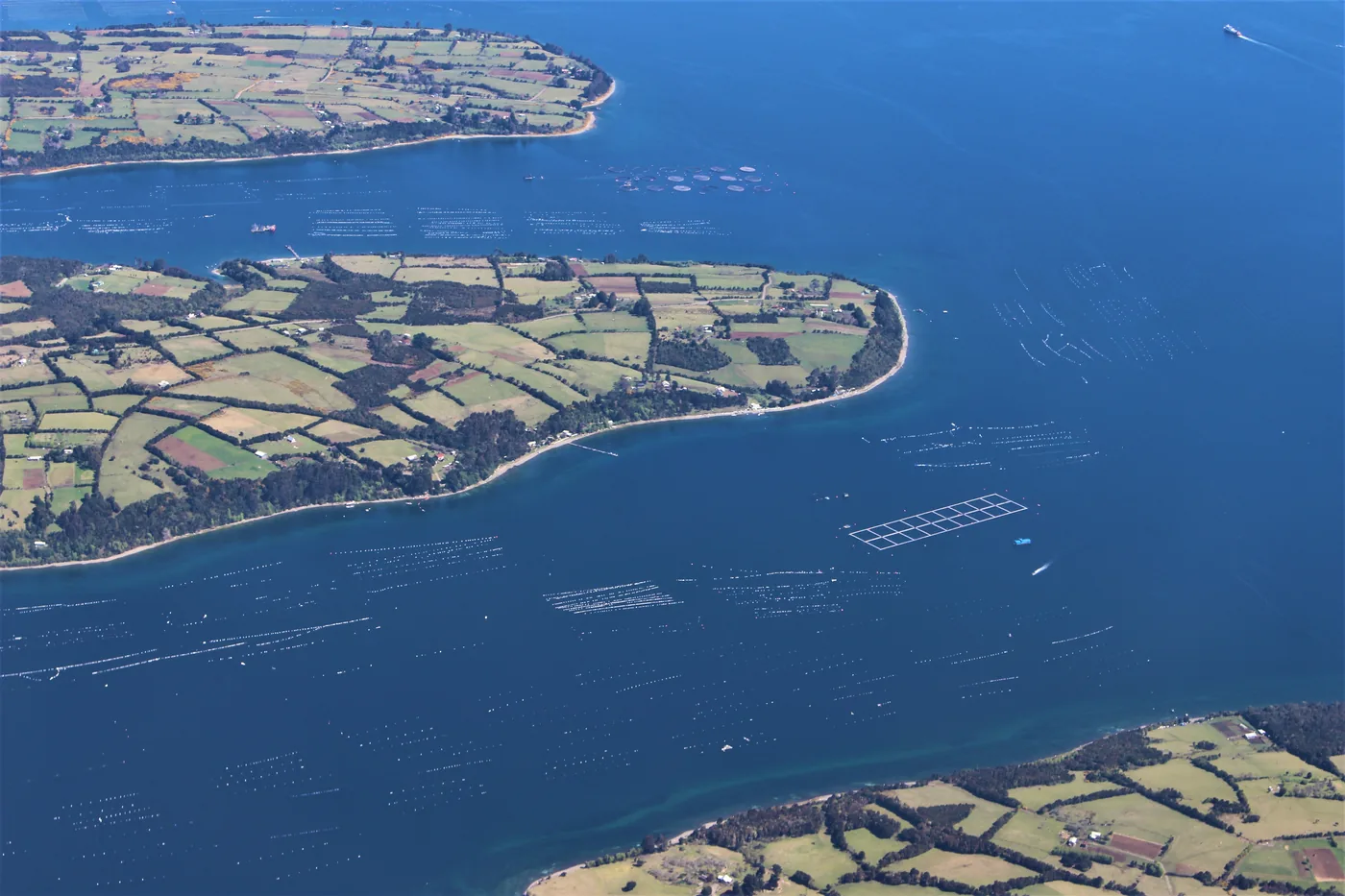
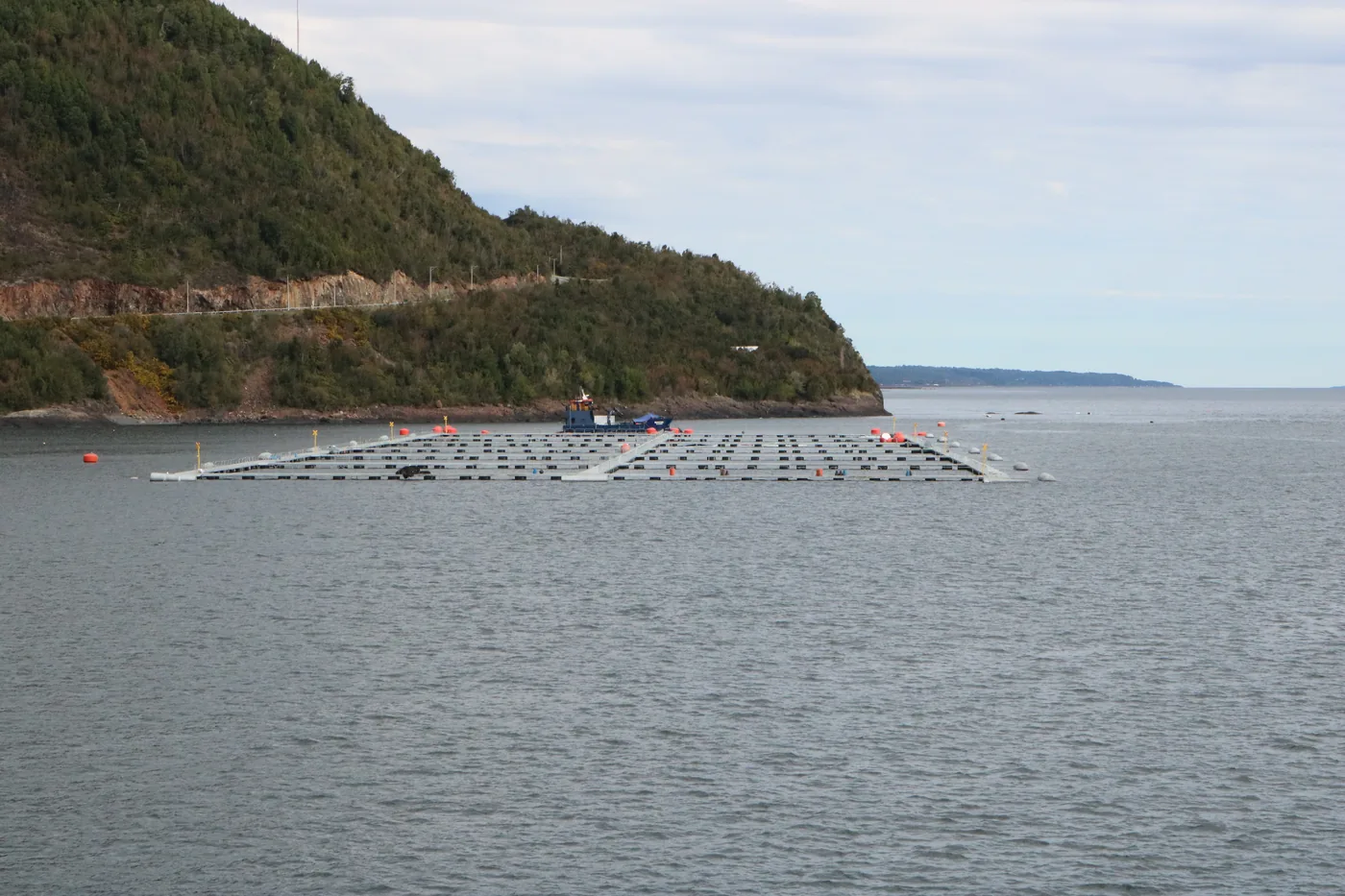
Research Line 5 (RL5) of the INCAR² Center addresses the main environmental and ecosystem challenges associated with Chilean aquaculture, with a particular focus on salmon and mussel farming in marine, coastal, and freshwater ecosystems.
TEAM
Team members

Dr. Renato Quiñones Bergeret
Principal InvestigatorView profile →
Dr. Pablo Cornejo Olivares
Adjunct ResearcherView profile →
Dr. Eduardo Hernández Miranda
Adjunct ResearcherView profile →
Dr. Rodrigo M. Montes
Adjunct ResearcherView profile →
Dra. Valeria Anabalón
Young ResearcherView profile →
Dra. Zeneida Wong
Young ResearcherView profile →
Luis Montecinos Reyes
Research AssistantView profile →
FOCUS
Its core contribution is the generation of scientific knowledge, indicators, and technological tools that enable the assessment, prediction, and mitigation of environmental impacts, supporting an ecosystem-based and science-driven management of aquaculture. RL5 investigates how aquaculture production influences key processes such as trophic status, organic matter cycling, biodiversity, environmental quality, and the dynamics of harmful algal blooms (HABs), integrating ecological, biogeochemical, oceanographic, and advanced modeling approaches. This comprehensive perspective provides critical support for spatial planning, carrying capacity estimation, and the prevention of environmental and sanitary crises.
RESEARCH LINE
Strategic Objectives
- 01
Assess the environmental impacts of aquaculture on marine, coastal, and freshwater ecosystems.
- 02
Generate quantitative ecological indicators to support environmental management and sustainability.
- 03
Improve understanding of the ecological and biogeochemical drivers of harmful algal blooms and the role of aquaculture in their occurrence.
- 04
Develop early warning indicators for disease outbreaks and critical shifts in the epidemiological status of farming areas.
- 05
Implement state-of-the-art Computational Fluid Dynamics (CFD) models and integrated modeling tools to support decision-making.
- 06
Contribute to spatial planning and adaptive management of aquaculture in Patagonian ecosystems.
TECHNOLOGY TRANSFER
Technological Applications and Sector Impact
Outcomes from RL5 are translated into practical solutions for the public and private sectors, including:
- 01
Environmental and ecological indicators for assessing the impacts of salmon and mussel farming.
- 02
Early warning systems for harmful algal blooms, Caligus rogercresseyi, and diseases such as salmonid rickettsial septicemia (SRS).
- 03
CFD models and digital twins of aquaculture facilities for real-time monitoring of oceanographic and hydrodynamic variables.
- 04
Tools for carrying capacity estimation and aquaculture spatial planning.
- 05
Assessment of seabed restoration technologies and environmental performance.
- 06
Development of epidemiological risk maps based on ecological and molecular indicators.
OUTLOOK
An aquaculture that is environmentally responsible, socially accepted and scientifically informed
Through these contributions, RL5 of the INCAR² Center plays a key role in advancing an environmentally responsible, socially accepted, and scientifically informed aquaculture, strengthening ecosystem sustainability and the long-term competitiveness of Chilean aquaculture under climate change and increasing environmental demands.