
Scientists Assess Harmful Algal Bloom Risks to Fisheries and Aquaculture in Chile’s Biobío Region
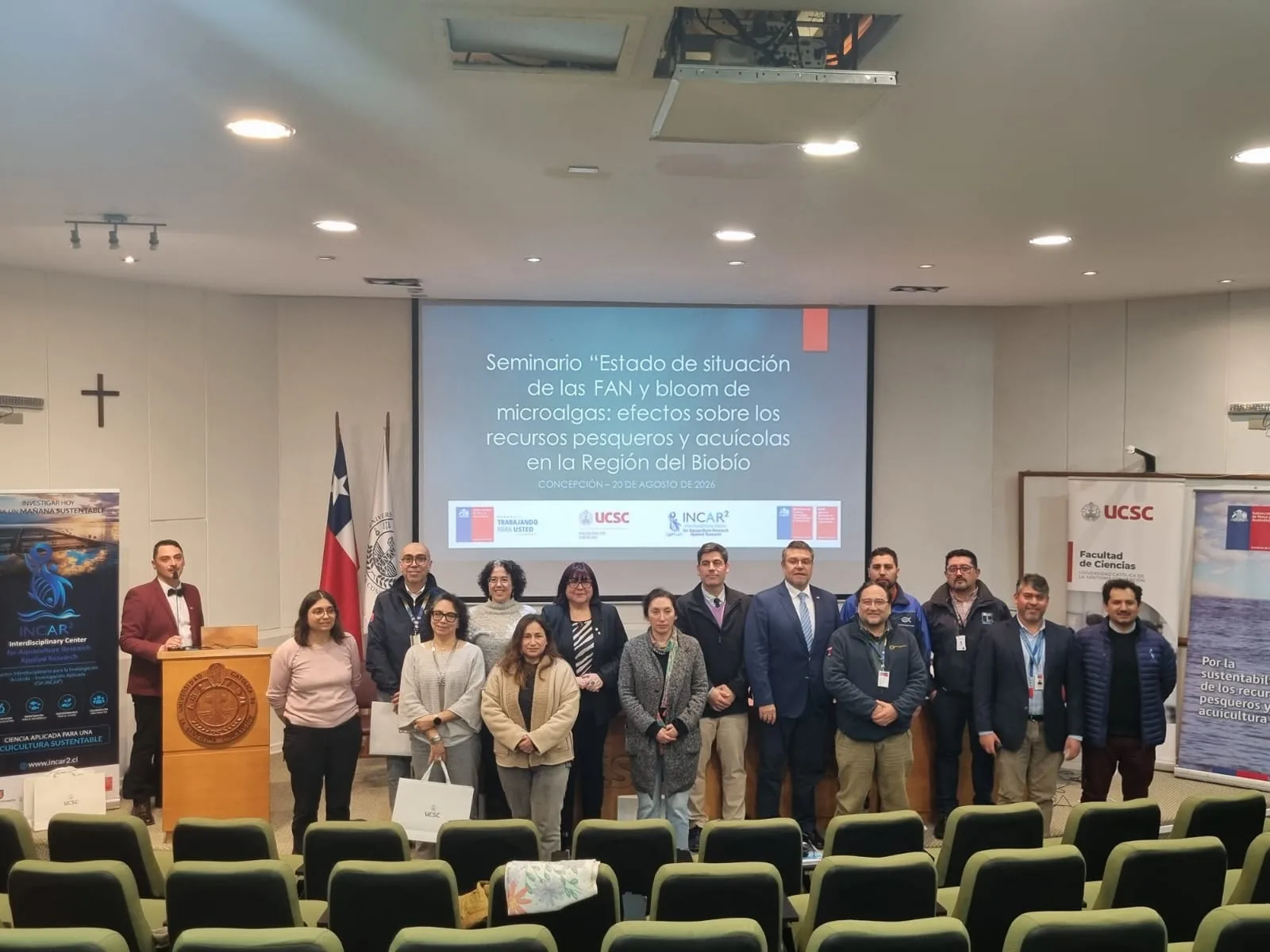
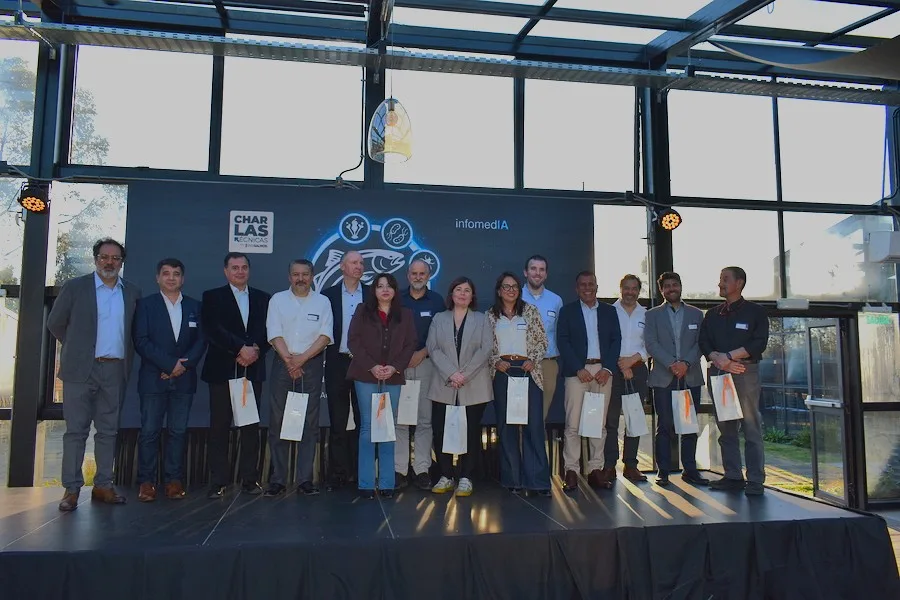
Scientists, fisheries authorities and industry representatives gathered in Chile’s Biobío Region to assess the growing challenges posed by harmful algal blooms (HABs) and their potential impacts on fisheries, aquaculture, marine ecosystems and public health.
The seminar, organized by Chile’s Undersecretariat for Fisheries and Aquaculture (Subpesca) in collaboration with Universidad Católica de la Santísima Concepción (UCSC) and the INCAR² Center for Applied Research, examined historical bloom patterns, toxic microalgae, environmental drivers, monitoring systems and food safety.
Dr. Valeria Anabalón, INCAR² researcher and academic at Universidad de Concepción, reviewed the historical occurrence of HABs in the Biobío and Ñuble regions and their relationship with environmental conditions.
Other researchers addressed the toxins produced by harmful microalgae, their effects on marine organisms and human health, and emerging detection and surveillance challenges. Studies presented at the seminar included research on the genus Pseudo-nitzschia along the Concepción coast and preliminary evidence on how Alexandrium catenella blooms could affect the physiology and biochemistry of the economically important bivalve Tagelus dombeii.
From Monitoring to Early Warning
The meeting also examined regional monitoring programs and lessons from previous toxic events, including the 2022 episode involving amnesic shellfish poisoning toxins. Discussions highlighted the importance of connecting environmental and biological observations with seafood safety and public health surveillance.
A key conclusion was that prevention and early detection are essential to reducing the impacts of future HAB events. Participants emphasized the need for stronger coordination among research institutions, government agencies and the fisheries and aquaculture sectors.
According to Anabalón, integrating environmental, biological and toxicological data could improve early-warning systems and strengthen the region’s capacity to respond to future blooms.
The seminar concluded with calls for a more coordinated regional approach to HABs, moving beyond isolated monitoring efforts toward shared information, science-based prevention and joint response strategies.
For a coastal region where fisheries and aquaculture are closely tied to marine ecosystem health, strengthening these networks could become increasingly important for protecting seafood safety, coastal livelihoods and sustainable production.