
Scientists Trace the Origins of an Invasive Sea Anemone Threatening Southern Cone Ecosystems and Fisheries
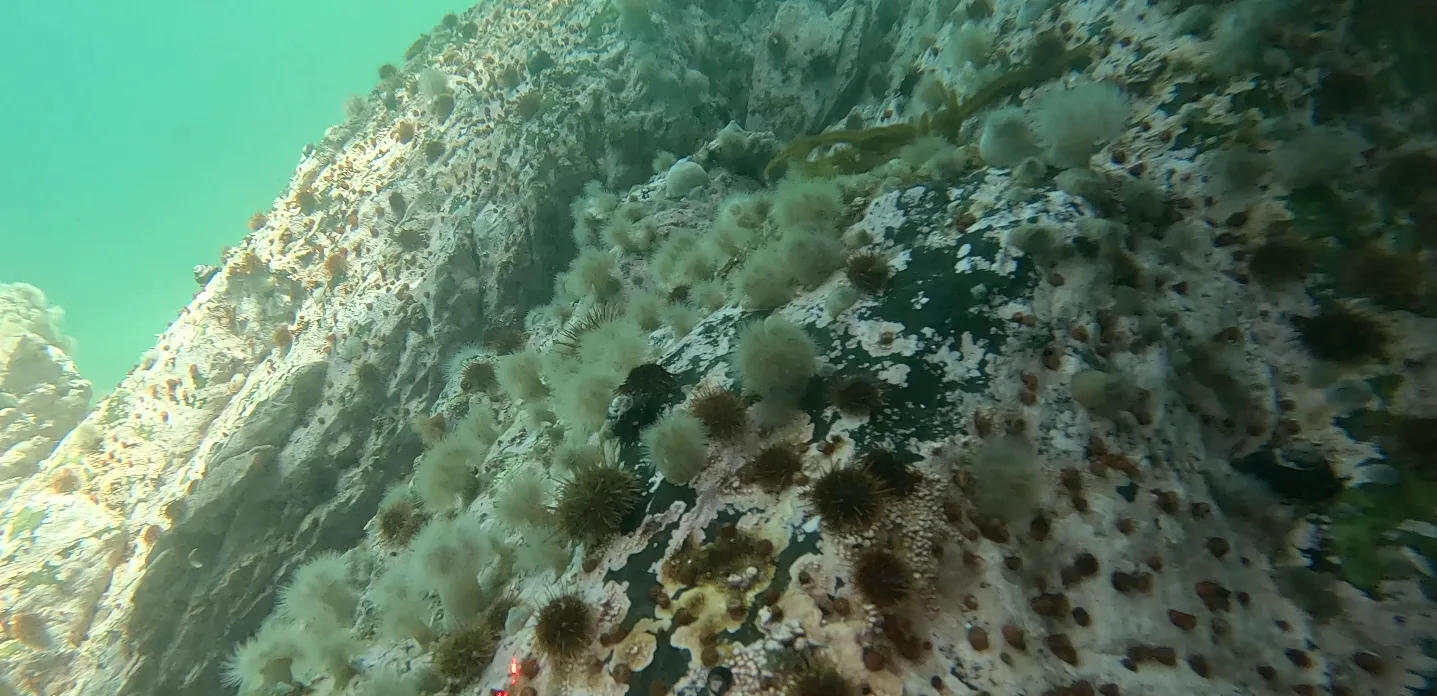
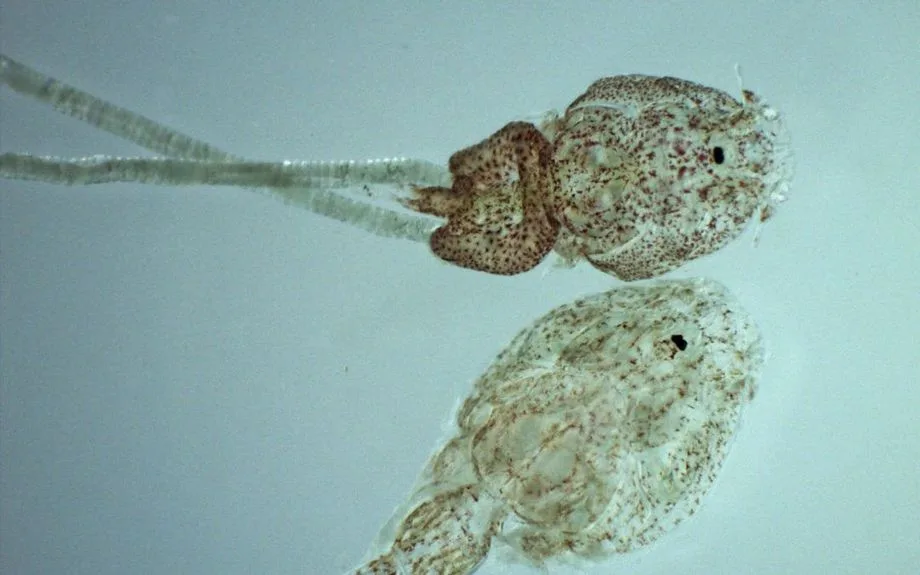
Scientists have traced the origins of invasive populations of the sea anemone Metridium senile in southern South America, revealing separate introduction pathways into Chile and Argentina. The findings could help improve surveillance and management strategies for a species that is affecting marine ecosystems and economically important benthic fisheries.
The study, “Origin of the invasive sea anemone Metridium senile in the southern cone of South America,” published in Biological Invasions, was conducted by researchers from Universidad Austral de Chile (UACh), INCAR², the Maine Department of Marine Resources and Universidad San Sebastián.
Using high-resolution molecular genetics, phylogenetic and population analyses, the researchers reconstructed the invasion history of M. senile across the Southern Cone.
Different Origins in Chile and Argentina
The results indicate that populations in Chilean Patagonia are linked to the North Pacific, while those found in Argentina are associated with the northeastern Atlantic. This suggests that the species did not spread through the region from a single introduction, but arrived through independent invasion events.
Maritime transport may have played a role in these introductions, either through organisms attached to vessel hulls or transported in ballast water.
Despite the species’ generally low genetic diversity due to its clonal reproduction, genomic tools allowed researchers to distinguish its likely geographic origins. According to Dr. Marcela Astorga, INCAR² researcher and UACh academic, this reproductive strategy also contributes to the anemone’s ability to rapidly colonize new environments.
Ecological and Fisheries Impacts
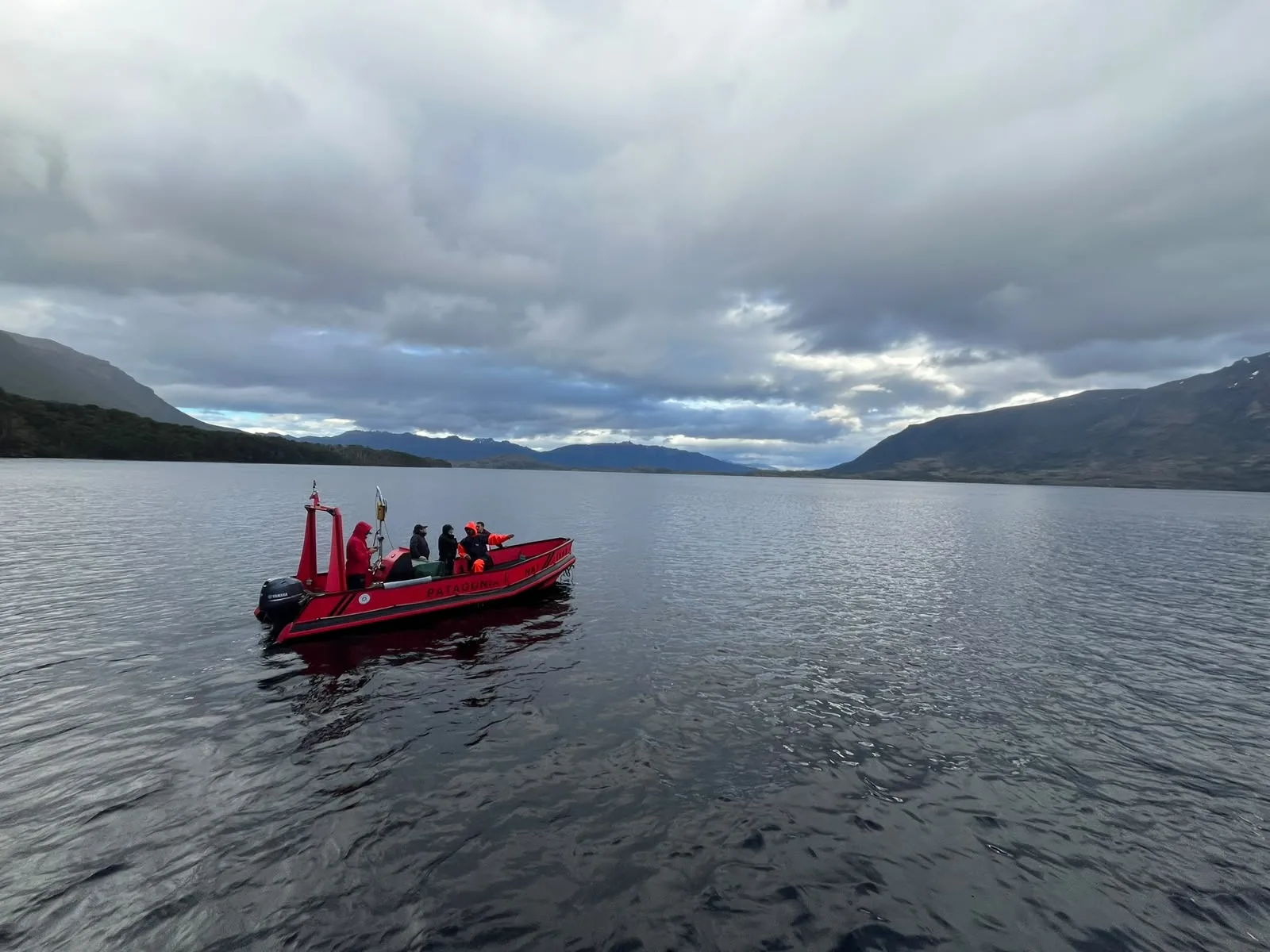
The spread of M. senile is of particular concern in southern Chile, where the invasive anemone can occupy large areas of the seafloor, compete with native benthic species and affect commercially important fishing grounds.
Researchers have already observed impacts associated with the displacement of some commercial sea urchin beds, including areas managed by artisanal fishing organizations.
Dr. Carlos Molinet, INCAR² researcher and UACh academic, said the findings provide an important basis for developing mitigation strategies with benthic fishing communities. Future research will focus on testing measures to reduce ecological and economic impacts while limiting the species’ expansion along the Chilean coast.
The study provides new insight into how marine biological invasions occur in southern South America and highlights how genomic science can support biosecurity, biodiversity conservation and fisheries management.
For coastal regions heavily dependent on benthic resources, understanding where invasive species come from is an important step toward preventing future introductions and developing more effective responses to those already established.