
INCAR² Scientist Examines Links Between Hydroclimatic Anomalies and Harmful Algal Blooms in Patagonia
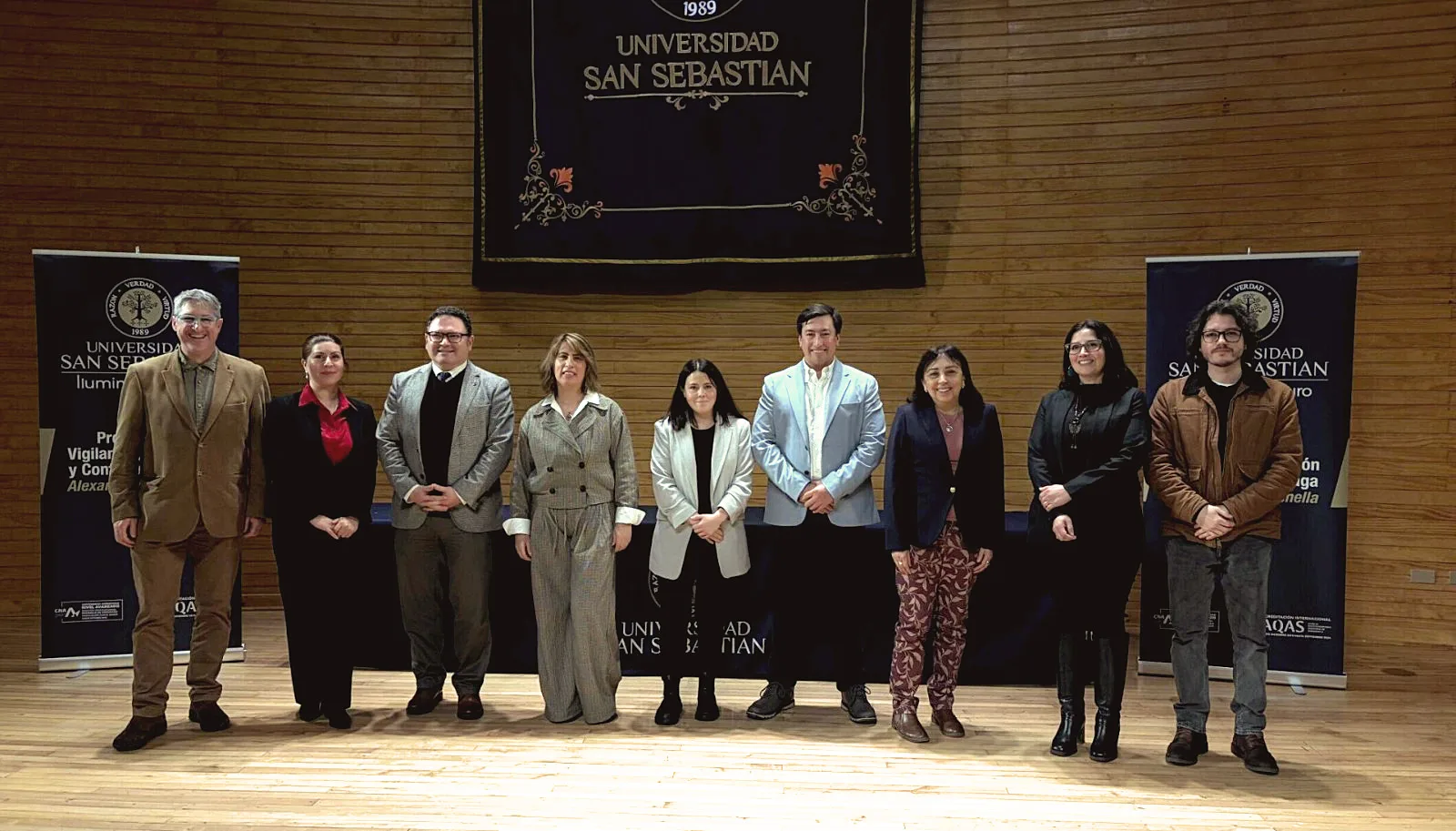
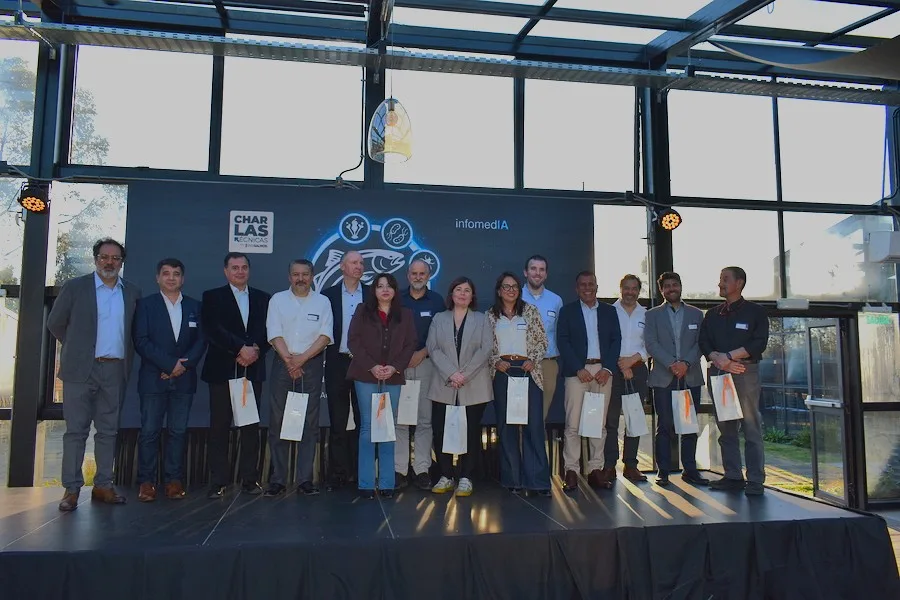
Dr. Patricio A. Díaz, researcher at INCAR² and Centro i~mar at Universidad de Los Lagos, examined how hydroclimatic anomalies and marine heatwaves may influence harmful algal blooms (HABs) in Chilean Patagonia during a scientific seminar organized by Universidad San Sebastián (USS) in Puerto Montt.
The seminar, “Climate Anomalies and Harmful Algal Blooms in Chilean Patagonia,” explored how extreme climatic conditions can affect HAB development and create risks for aquaculture and public health.
During his presentation, Díaz reviewed historical hydroclimatic changes in southern Chile, noting that precipitation in Puerto Montt has declined by approximately 100 millimeters per decade.
He highlighted the 2016 and 2018 events, when major hydroclimatic anomalies and marine heatwaves coincided with historically high concentrations of paralytic shellfish toxins, particularly in the Aysén region.
A Complex Environmental Interaction
According to Díaz, HAB dynamics in Patagonia cannot be explained by a single environmental factor. Large-scale processes are influenced by climate forcing, while local bloom development can also be shaped by biological interactions and the specific environmental characteristics of individual fjords and bays.
This spatial complexity means that observations from one location should not necessarily be extrapolated across Patagonia’s extensive fjord and channel system.
Díaz also stressed the importance of learning from previous extreme events, particularly the 2016 bloom, which had major consequences for Chilean aquaculture and public health. Understanding how ocean warming and changing hydroclimatic conditions interact with local environmental processes could help strengthen monitoring, early-warning systems and risk management for future HAB events.
The seminar also highlighted the importance of scientific outreach and public-private collaboration in addressing a phenomenon that recurrently affects marine ecosystems and coastal activities in southern Chile.