
INCAR Receives Merit Award for Contributions to Chilean Aquaculture
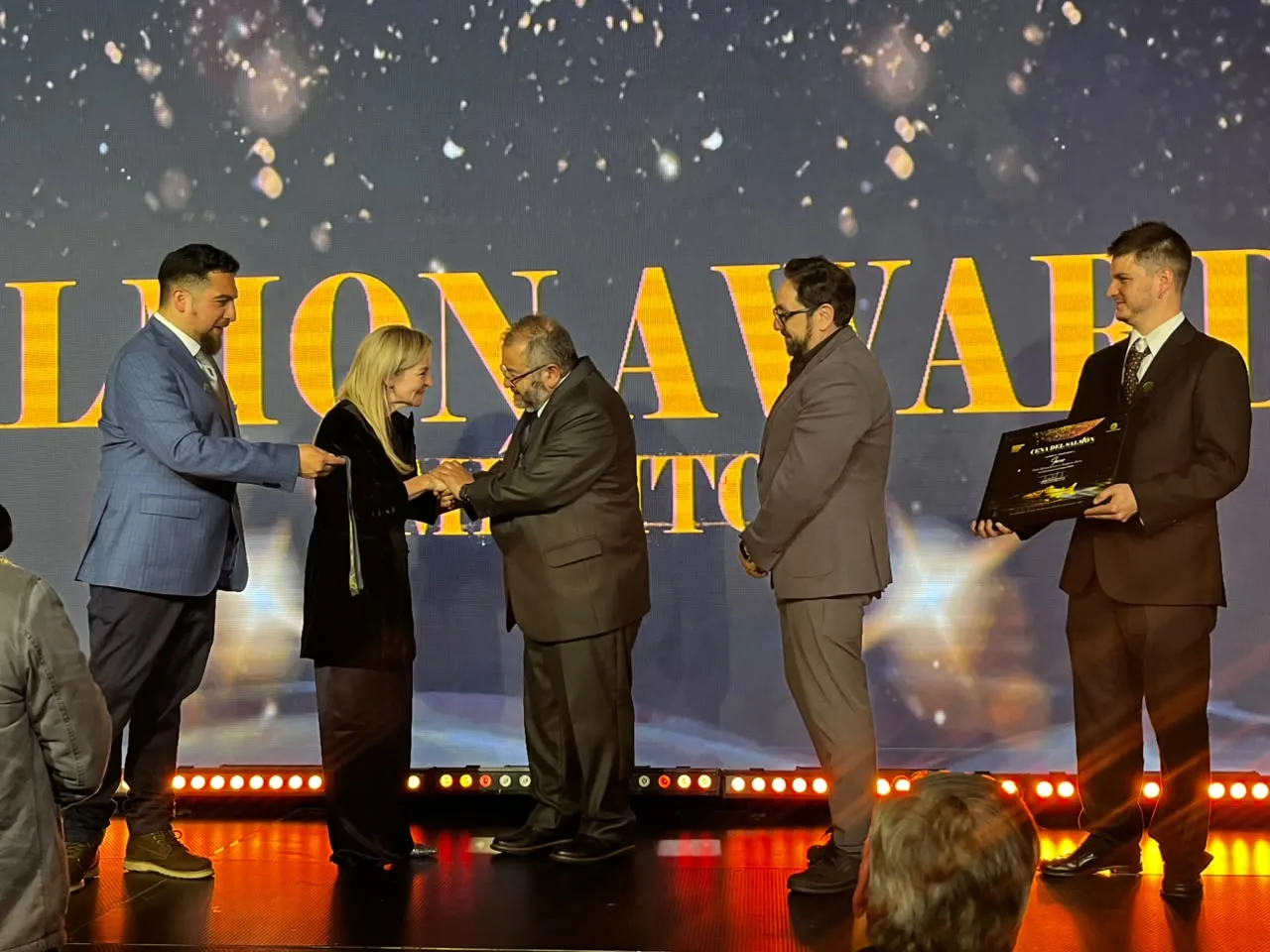
The Interdisciplinary Center for Aquaculture Research (INCAR) has received the Merit Award at the 2026 Salmon Dinner, recognizing more than a decade of scientific leadership and contributions to the technological and sustainable development of Chilean aquaculture.
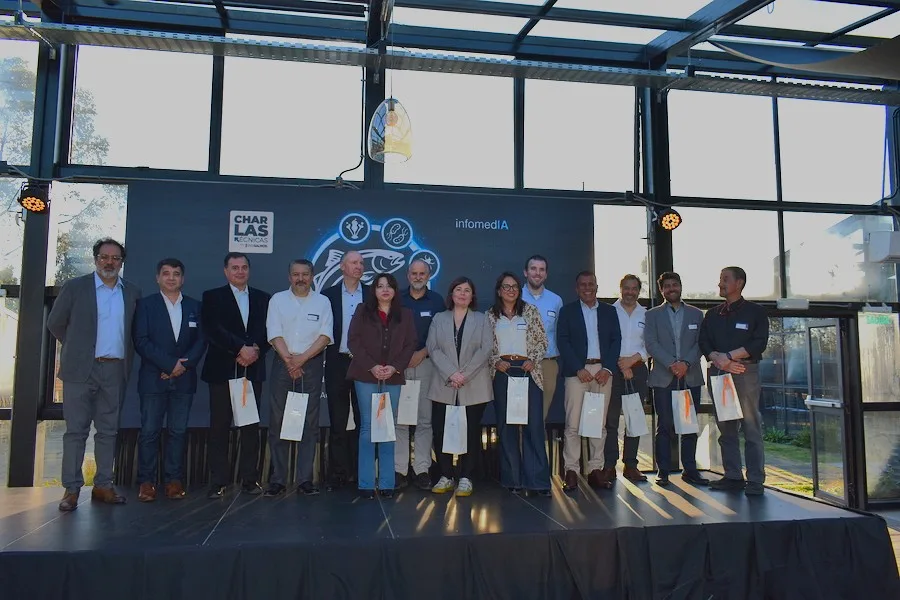
The award was presented on September 10 in Puerto Varas, Chile, during the annual event known as the Salmon Farming Gala, which brought together nearly 400 representatives from the salmon industry, technology and service providers, and public institutions.
The distinction was accepted by Dr. Renato Quiñones Bergeret, Director of the FONDAP INCAR Center, and Dr. Cristian Gallardo-Escárate, Director of the INCAR² Center for Applied Research, on behalf of the researchers, professionals, technicians, students and collaborators who have contributed to the center since its creation in 2012.
“This award recognizes more than 13 years of collaborative work serving Chilean aquaculture,” Quiñones said, highlighting that the distinction reflects the collective contribution of the scientific community built around INCAR.
From Scientific Research to Aquaculture Solutions
Over the past 13 years, first as FONDAP INCAR and now through its evolution into INCAR², the center has established itself as a major platform for aquaculture research in Chile. Its researchers have produced 858 scientific publications, contributing more than half of Chile’s scientific output in aquaculture, while generating evidence to address health, environmental, production and social challenges.
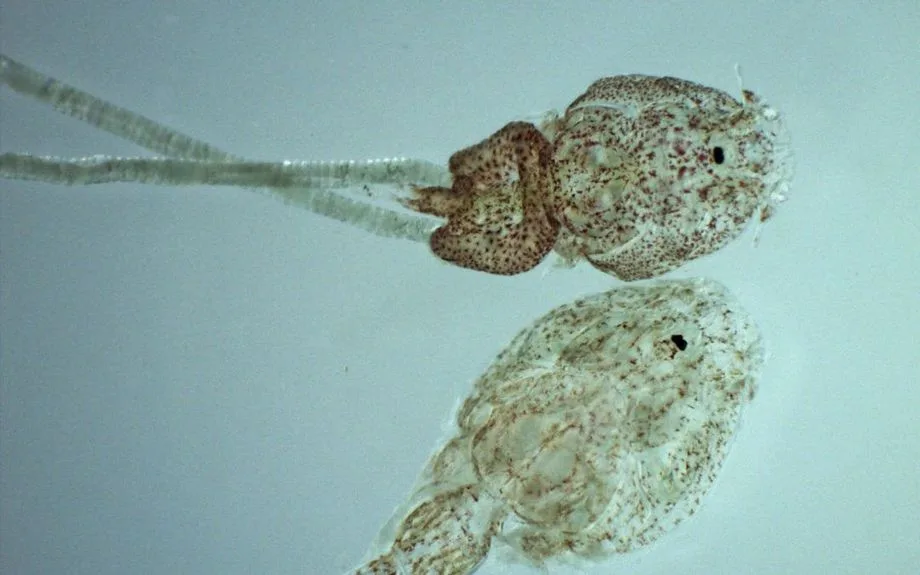
Key areas of research include major salmon farming diseases such as Salmonid Rickettsial Septicemia (SRS), tenacibaculosis and sea lice infestations, as well as genomics research on commercially important species including the sea louse Caligus rogercresseyi, the Chilean mussel and the Chilean oyster.
The center has also investigated the effects of climate change on salmon and mussel farming, developing risk maps and adaptation tools to help the aquaculture sector respond to increasingly complex environmental conditions.
Beyond scientific publications, INCAR has contributed to evidence-based policymaking, environmental assessment and human capital development, training undergraduate and graduate students, PhD candidates and postdoctoral researchers.
INCAR² Shifts the Focus Toward Applied Innovation
The transition to INCAR² marks a new phase focused on accelerating the transformation of scientific knowledge into practical solutions, technologies and strategies for the aquaculture sector.
According to Gallardo-Escárate, the center will strengthen applied research across fish health, environmental sustainability, technology, economics and governance. Priorities include developing new approaches to control sea lice, SRS and tenacibaculosis, assessing aquaculture's interaction with marine ecosystems, and providing scientific evidence for regulatory and policy decisions.
Research will also examine the economic and social impacts of salmon farming, including employment and industry externalities, while animal welfare will emerge as a new strategic area for INCAR².
The Merit Award recognizes INCAR’s scientific legacy while highlighting its next challenge: moving from knowledge generation toward science-based solutions for a more sustainable and competitive aquaculture industry.