
INCAR²: Nuevo Centro de Investigación Aplicada de la ANID liderará el fortalecimiento de la acuicultura sustentable en Chile
El pasado 30 de octubre se dieron a conocer los resultados de la convocatoria a los Centros de Investigación Aplicada (CIA) de la Agencia Nacional de Investigación y Desarrollo (ANID). Entre los ocho centros adjudicados, uno fue destinado específicamente a abordar los desafíos y oportunidades de la acuicultura chilena. Se trata del Centro Interdisciplinario para la Investigación Acuícola (INCAR²), código CIA250009, cuyo nombre en inglés — Interdisciplinary Center for Aquaculture Research – Applied Research — refleja su marcado énfasis en la investigación aplicada orientada al fortalecimiento de un sector acuícola más sustentable y competitivo.
El objetivo de los Centros de Investigación Aplicada es contribuir a la creación y consolidación de Centros de investigación y desarrollo de excelencia, que generen avances científicos y tecnológicos innovadores, provean soluciones a desafíos de sectores productivos y aporten en la captura de oportunidades vinculadas a la diversificación productiva, compatible con un desarrollo sostenible a nivel nacional e internacional, para ser transferidos al sector público y privado, impactando en la competitividad de la economía chilena y a través de ésta al bienestar de la sociedad.
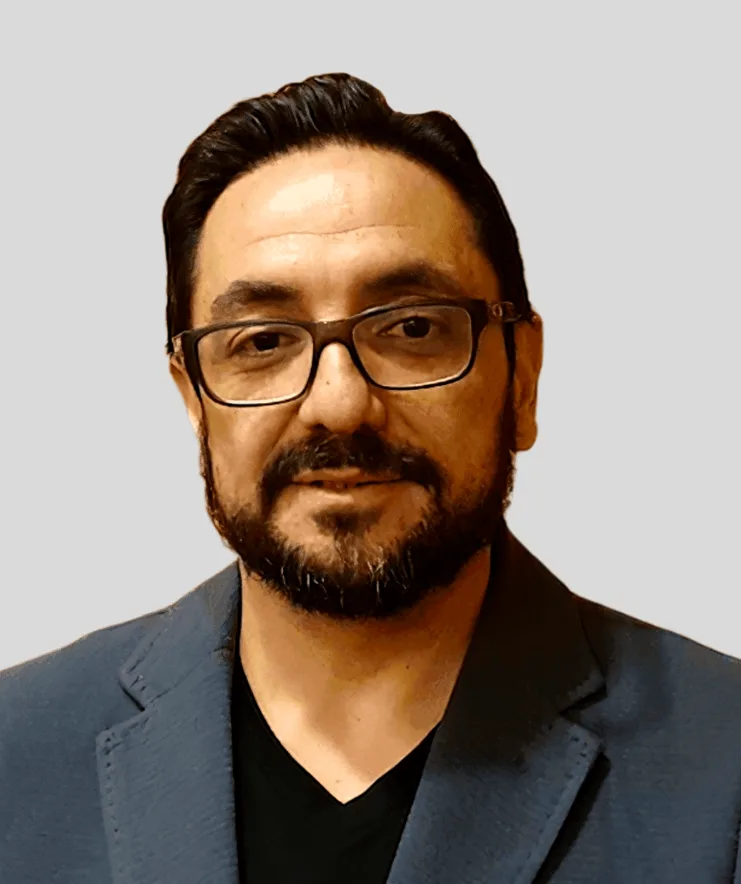
Luego de 13 años de generar conocimiento y capital humano de excelencia, el FONDAP INCAR finaliza y da paso a un nuevo Centro, CIA INCAR², el cual se centrará en investigar para generar conocimiento y tecnologías que equilibren la competitividad del sector acuícola con el bienestar social y la sostenibilidad ambiental de Chile. En este nuevo ciclo, la dirección del centro estará a cargo del Dr. Cristian Gallardo-Escárate, académico del Departamento de Oceanografía de la Universidad de Concepción (UdeC), mientras que la subdirección será liderada por el Dr. Rubén Avendaño-Herrera, académico de la Universidad Andrés Bello (UNAB).
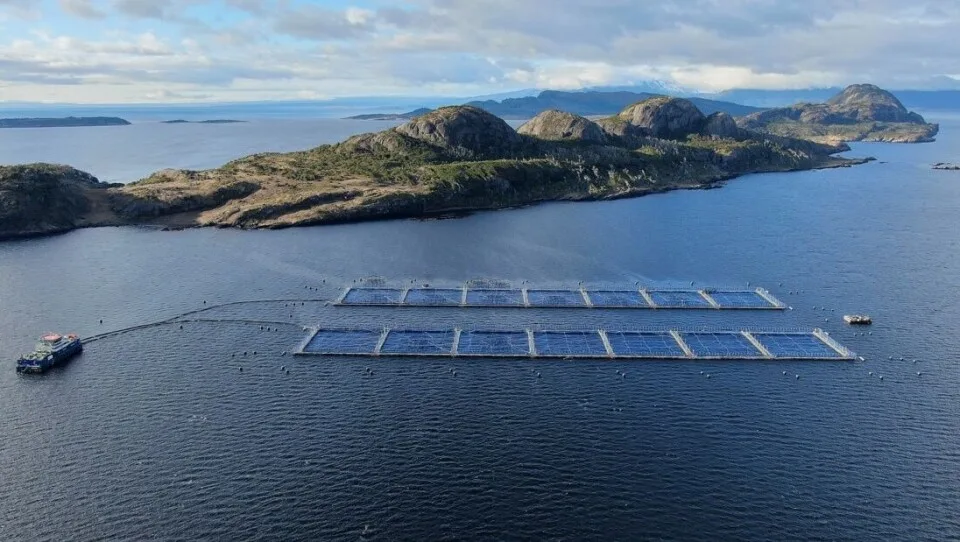
Para el Dr. Gallardo-Escárate, la adjudicación de INCAR² representa un hito significativo para la acuicultura chilena de clase mundial: “los avances científicos realizados por investigadores de INCAR consolidan una trayectoria de aportes de conocimiento aplicado a la industria salmonicultora, la mitilicultura y la acuicultura de pequeña escala”.
Al igual que durante su primer período, INCAR², tiene a la Universidad de Concepción (UdeC) como institución patrocinante, y a la Universidad Andrés Bello (UNAB) y a la Universidad Austral de Chile (UACh) como asociadas, incorporándose en esta nueva etapa la Universidad de Talca (UTalca).
A juicio del director de INCAR², el Dr. Gallardo-Escárate, “la continuidad de instituciones asociadas en esta nueva etapa demuestra sólidas relaciones institucionales en el ámbito científico de frontera”. Por otra parte, la incorporación de la Universidad de Talca refuerza el carácter interdisciplinario y colaborativo del centro.
Líneas de Investigación
En esta nueva etapa de INCAR², el trabajo interdisciplinario y colaborativo será fundamental, incrementándose el número de líneas de investigación a ocho. Las líneas de investigación son las siguientes:
- Nuevas vacunas para peces
- Enfermedades de peces y resistencia a los antimicrobianos
- Soluciones ómicas para la acuicultura
- Estrés y bienestar animal
- Impactos de la acuicultura en los ecosistemas
- Aumento de la resiliencia en la acuicultura
- Interacciones sostenibles entre acuicultura, pesquerías y ecosistemas
- Impactos socioeconómicos, gobernanza y dinámica de los mercados
Los investigadores principales que lideran cada una de estas líneas son: Dr. Cristian Gallardo-Escárate (UdeC), Dr. Rubén Avendaño-Herrera (UNAB), Dra. Valentina Valenzuela-Muñoz (UdeC), Dr. Juan Antonio Valdés (UNAB), Dr. Renato Quiñones Bergeret (UdeC), Dra. Doris Soto Benavides (UdeC), Dr. Carlos Molinet Flores (UACh) y Dr. Carlos Chávez Rebolledo (UTalca).
La nueva configuración de líneas de investigación de INCAR² enfatiza el carácter de investigación aplicada y la búsqueda de soluciones integrales, interdisciplinarias y con fuerte base científica, puntualizó el Dr. Gallardo-Escárate.
El Aporte del Centro FONDAP INCAR
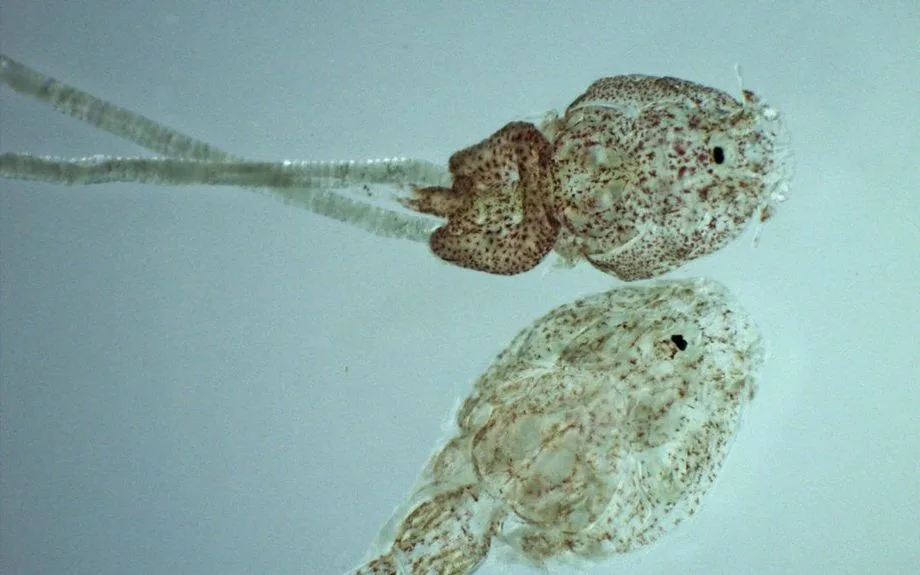
Durante su primera década de funcionamiento, el Centro FONDAP INCAR ha realizado importantes contribuciones científicas, como la evaluación de la vulnerabilidad al cambio climático de la acuicultura de salmón y chorito, la elaboración de mapas de riesgo climático, y la secuenciación de los genomas del piojo de mar Caligus rogercresseyi y del chorito Mytilus chilensis. También ha generado información clave sobre patógenos bacterianos, como los causantes de la piscirickettsiosis, tenacibaculosis, renibacteriosis y flavobacteriosis, entre otros.
En el ámbito ambiental, el FONDAP INCAR fue pionero en estudios sobre el impacto de pesticidas desparasitantes en el cultivo de salmones y en la definición de umbrales críticos para floraciones de algas nocivas (FAN) en el sur de Chile.
En cuanto al desarrollo tecnológico, el centro ha logrado avances significativos con la creación de tres vacunas contra el piojo de mar y la bacteria Piscirickettsia salmonis, principales amenazas sanitarias de la acuicultura nacional. En mitilicultura, se han identificado factores ambientales que afectan el asentamiento exitoso de semillas de chorito.
Para el Sub-Director, Dr. Ruben Avendaño-Herrera “este nuevo Centro desempeñará un papel crucial para la acuicultura chilena. Gracias al conocimiento acumulado durante los últimos 12 años y a los próximos cinco años de trabajo colaborativo con entidades públicas y privadas, contamos con la oportunidad de seguir fortaleciendo el capital humano e impulsar un crecimiento sostenible del sector mediante soluciones tecnológicas y normativas innovadoras. Esto permitirá consolidar una acuicultura más resiliente y responsable, con un enfoque que integra la dimensión social y ambiental.”
Con esta adjudicación, el nuevo CIA INCAR² será un referente nacional en investigación aplicada para una acuicultura más sustentable, inclusiva y resiliente frente a los desafíos del futuro.